Understanding Residential Window Cleaning Safety Standards: Essential Tips and Best Practices for Homeowners

Residential window cleaning safety standards are the practical steps, equipment choices, and common-sense rules that lower the chance of falls, chemical exposure, and property damage when washing home windows. This guide explains why those standards matter, how they protect your family and pets, and how they keep your home looking its best. You’ll find the most common hazards, how to pick and place ladders safely, eco-friendly options like purified water, and when a job is better handled by professional cleaners. Clear checklists and comparison tables make it easy to inspect ladders, choose PPE, and weigh DIY versus hiring a pro. Throughout, we reference practical safety basics—three points of contact, the 4-to-1 ladder angle, reading Safety Data Sheets (SDS), and guidance from OSHA and ANSI/IWCA—so you can make safer choices at home. Read on for step-by-step ladder setup, homeowner PPE tips, local notes for Camden and Atlantic Counties, and decision points for calling trained, insured crews.
What Are the Common Safety Hazards in Residential Window Cleaning?
Common hazards around home window cleaning include falls from height, chemical exposure, equipment failure, and weather-related risks. Ladders and tools move work into unstable zones near rooflines and glass, and some cleaning products can irritate skin, eyes, and indoor air. Recognizing these hazards helps you pick safer options—like purified-water systems or long-handled poles—that cut chemical use and reduce the need to climb. The next sections break down ladder risks and chemical harms, with simple checks and fixes you can use before any job.
What Risks Do Ladders Pose During Home Window Cleaning?
Ladder incidents are the top cause of falls during home maintenance, usually tied to using the wrong ladder, poor footing, or overreaching. Falls happen when the ladder angle is off, locking parts fail, or users reach beyond three points of contact. That’s why the 4-to-1 rule and a quick visual inspection matter. Before you climb, check rungs, locking pins, and feet for wear and confirm the ladder’s load rating; if feet are loose or rungs bent, don’t use it. Avoid working above a second story without pro equipment or standing on soft, slippery ground like wet grass. When possible, use telescopic extension poles so you can stay safely on the ground. Next, we cover how to choose the right ladder for each job.
How Can Chemical Exposure Affect Homeowners and Families?
Exposure to some window cleaners can cause skin irritation, breathing issues, or eye problems—especially in tight, poorly ventilated spaces or around children and pets. Many conventional cleaners contain surfactants, fragrances, or solvents that can off-gas or leave residues. Read product labels and Safety Data Sheets (SDS) to spot acute hazards and required PPE. Safer alternatives include biodegradable solutions or purified/deionized water systems that clean with no added chemicals, reducing inhalation and contact risks and protecting plants and pets. When chemicals are necessary, ventilate the area, store containers safely, and use gloves and eye protection. These chemical-minimizing choices tie directly to the eco-friendly professional methods described next.
How Does Team Alpha Cleaning Ensure Professional Residential Window Cleaning Safety?
Professional safety combines training, insurance, and the right tools to reduce homeowner liability and improve results. At Team Alpha Cleaning, we rely on trained, insured crews, purified-water cleaning, and proven safety systems to deliver safe, reliable work. Our methods remove unnecessary chemicals and pair experienced technicians with equipment that lowers fall and damage risks. Below is a quick comparison showing how our service features translate into value for homeowners in Camden and Atlantic Counties.
What Training and Insurance Do Team Alpha Cleaning Crews Have?
Our crews are trained and carry liability insurance, which shifts on-site accident responsibility to the provider and reduces homeowner exposure. Training covers ladder safety, PPE use, and proper equipment handling so teams follow best practices and keep incidents rare. For you, insured and trained crews mean fewer surprises: if something happens, our processes and coverage handle it instead of relying on your home insurance. Ask for proof of insurance and a brief overview of crew training when vetting any provider—that helps confirm they meet reasonable safety expectations. Next, we outline the equipment and eco-friendly approaches we use.
Introductory table: how Team Alpha service attributes map to homeowner benefits.
| Service Attribute | Description | Homeowner Benefit |
|---|---|---|
| Insured cleaning crews | We carry general liability insurance | Lowers your financial exposure for on-site accidents |
| Purified water system | Chemical-free cleaning with deionized water | Safe for pets and plants; no residue or off-gassing |
| Clear results promise | We commit to visible, streak-free windows | Consistent quality and prompt remediation if needed |
| First-time discount | Introductory pricing for new customers | Makes it easier to try professional, safer service |
Which Advanced Safety Equipment and Eco-Friendly Methods Are Used?
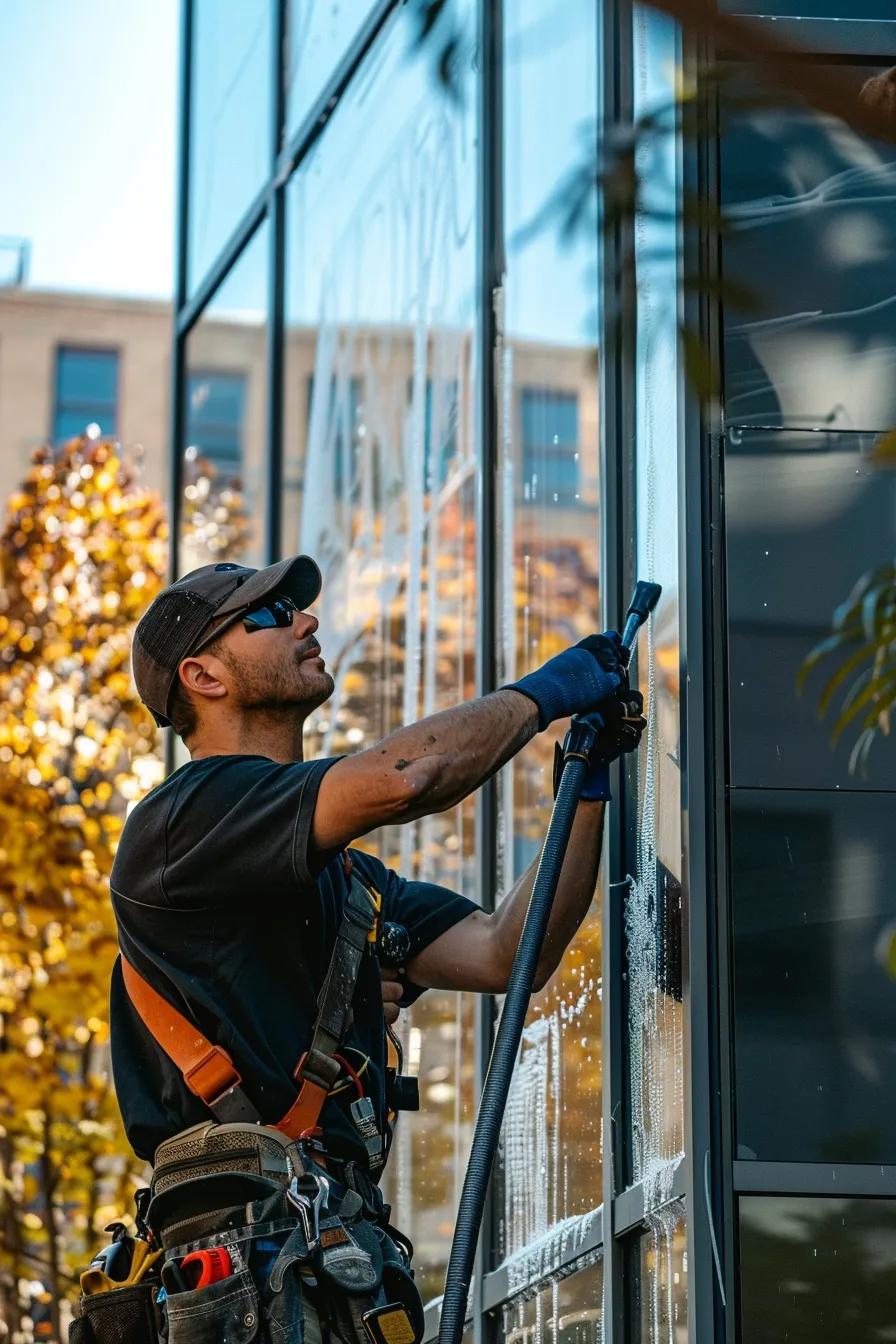
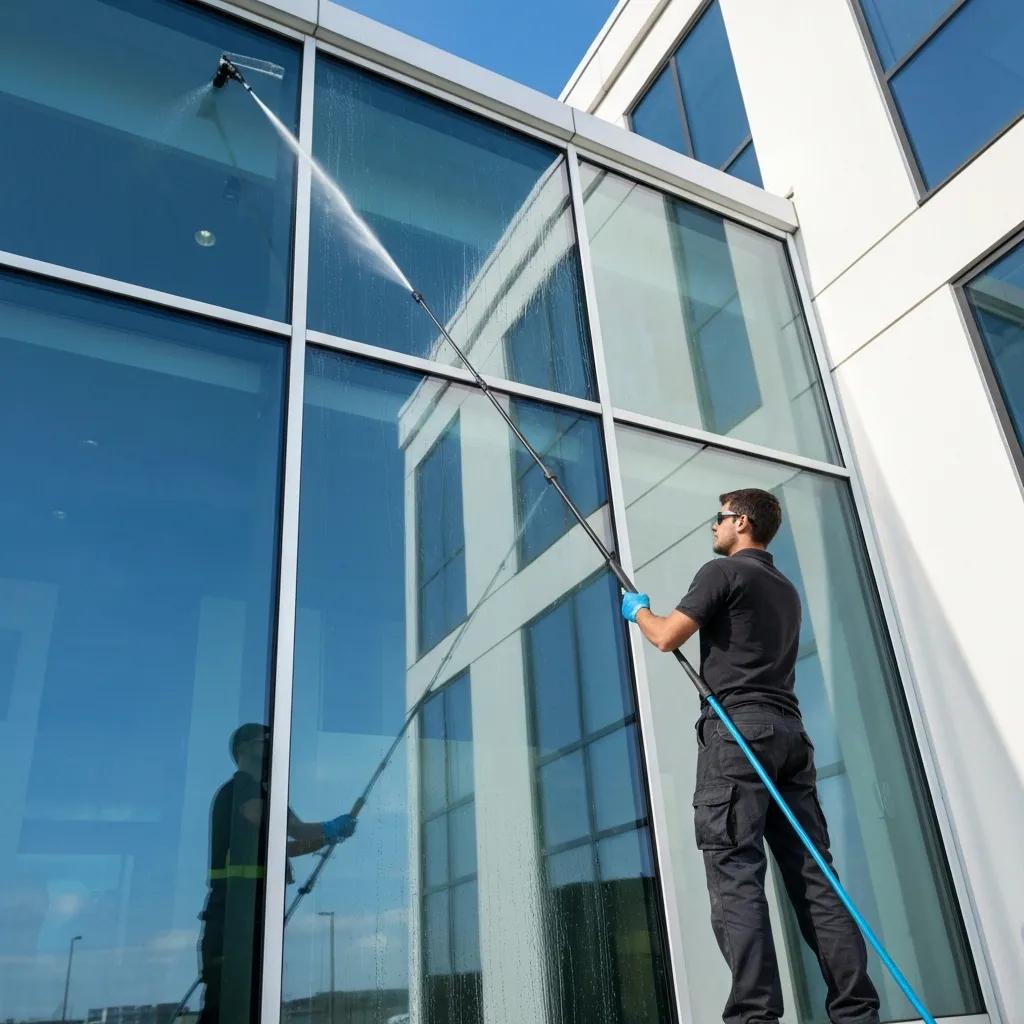
Advanced safety gear and eco-friendly methods focus on preventing falls and eliminating harsh chemicals. Purified or deionized water removes minerals and impurities so rinsing and squeegeeing leave fewer streaks and no chemical residue—better for indoor air and sensitive members of the household. We use ladder stabilizers, extension poles to avoid climbing when possible, and PPE for technicians; trained, insured crews using this gear create multiple layers of safety. Highlighting chemical-free systems and insured personnel shows why professionals can be the safer choice compared with standard DIY approaches.
What Are the Best Ladder Safety Practices for Home Window Cleaning?
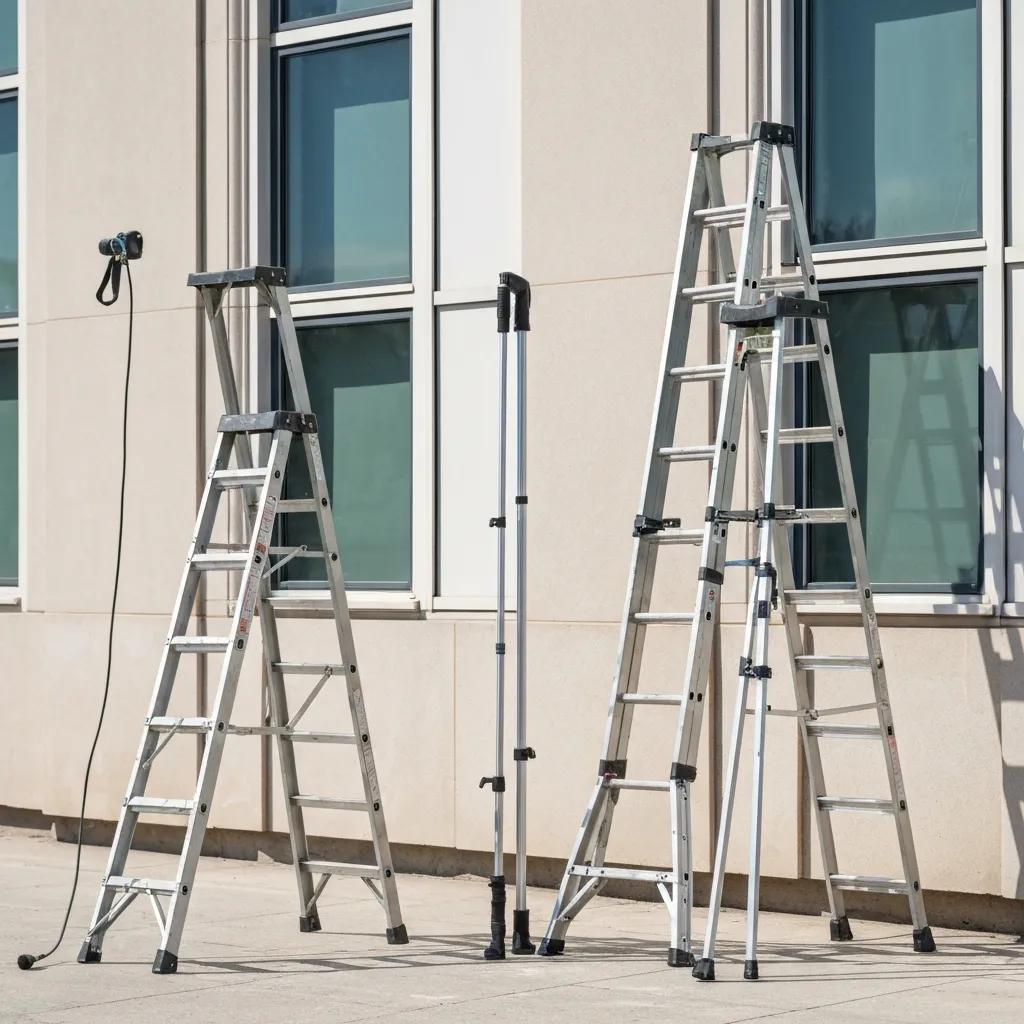
Good ladder safety starts with choosing the right ladder, inspecting it each use, following the 4-to-1 angle rule, and keeping three points of contact while climbing. Proper selection and setup cut the chance of failure or human error and reduce the need to overreach—one of the most common causes of falls. The sections below compare ladder types and give practical placement and stability guidance you can use at home.
Intro: ladder comparison table to guide selection based on reach and recommended uses.
| Ladder Type | Max Reach (approx.) | Recommended Use |
|---|---|---|
| Step ladder | Up to single-story reach | Indoor tasks and single-story exterior windows on stable ground |
| Extension ladder | Varies by model; suitable for second story | Exterior multi-story access when anchored and stabilized |
| Telescopic/extension pole | Ground-based reach to second-story height | Safer alternative to climbing—clean from the ground |
How Do You Choose the Right Ladder for Residential Window Cleaning?
Pick a ladder by matching its type and safe reach to the window height, leaving a margin so you don’t work from the top rungs. Use a step ladder for interior and single-story jobs; use an extension ladder for second-story work only with stabilizers and proper anchoring. Telescopic poles are a great ground-based option for many second-story windows. Estimate reach by adding your standing height plus tool reach to the ladder height, and always leave at least three rungs above the landing for secure handholds. Choose ladders with non-slip feet and the correct load rating, and never prop ladders on stacked objects. Next, we cover placement and stability techniques.
What Are the Proper Ladder Placement and Stability Techniques?
Set ladders to the 4-to-1 rule—one foot out at the base for every four feet of height to the support point—and make sure the ground is level and firm. Confirm ladder feet sit on stable, dry surfaces; use levelers on uneven ground and stabilizers at the top to stop side-to-side movement. Always face the ladder when climbing and maintain three points of contact. Don’t lean or twist to reach—use a tool belt or bucket hook to keep hands free. If wind, rain, or poor footing is present, postpone the work or opt for ground-based tools to lower fall and damage risk.
How Can Homeowners Practice Safe Window Washing at Home?
Safe window washing combines the right PPE, careful tool handling, smart use of chemicals or purified water, and attention to weather and timing. Follow a routine—inspect gear, set up stable access, wear protection, and choose a calm, dry day—to reduce hazards and protect family and property. The lists below summarize recommended PPE and safe handling steps to help you prepare and work confidently.
Introductory checklist: recommended PPE and why it matters.
- Non-slip footwear: Gives traction when positioning ladders and moving on wet surfaces.
- Chemical-resistant gloves: Shields skin during mixing or when using stronger cleaners.
- Safety glasses: Protects eyes from splashes and debris.
What Protective Gear Should Homeowners Use for Window Cleaning?

Essential PPE includes non-slip shoes, chemical-resistant gloves, and safety glasses—each prevents common injuries from slips, chemical contact, and flying debris. Non-slip footwear steadies your footing when carrying tools or adjusting a ladder; gloves protect hands when handling concentrated cleaners and scrubbing; safety glasses shield eyes from splashes or accidental slips. Consider hearing protection if power tools are in use nearby. Keep PPE in good condition—clean lenses, replace worn gloves, and check shoe tread—so it stays effective and comfortable. Next, we cover safe tool and chemical handling.
Table: PPE selection for homeowners
| Protective Item | Purpose | Recommended Specs |
|---|---|---|
| Non-slip shoes | Prevent slips while climbing or standing | Rubber sole with good tread for wet surfaces |
| Chemical-resistant gloves | Protect skin during mixing and use | Nitrile or neoprene, sized for dexterity |
| Safety glasses | Shield eyes from splashes | Impact-rated with side shields recommended |
How Should Cleaning Tools and Chemicals Be Safely Handled?
Handle tools and chemicals by reading labels, following dilution instructions, storing products safely, and using purified water methods when possible to avoid chemicals entirely. Keep concentrated solutions in original containers with SDS available, measure carefully to avoid over-concentration, and wear gloves and eye protection when mixing. Use long-handled tools and extension poles to reduce climbing and rinse tools thoroughly after use to prevent cross-contamination. For disposal, follow local rules for chemical containers; when uncertain, choose purified-water cleaning to eliminate many handling and disposal concerns. These habits also help you decide when to bring in trained professionals.
When Should You Hire Professional Window Cleaners for Safety Reasons?
Call professionals when height, difficult access, fragile surfaces, or personal limits create safety or liability concerns. Pros bring training, equipment, and insurance that reduce these risks. Typical cutoffs include multi-story work, awkward access points (bay windows, skylights), or delicate glass and framing needing special care. Insured crews assume responsibility for on-site incidents, while DIY accidents can leave homeowners exposed. The sections below outline DIY risks for taller homes, how pros manage those risks, and a clear next step to request a free quote from Team Alpha.
What Are the Risks of DIY Window Cleaning on Multi-Story Homes?
DIY second-story or higher cleaning increases fall risk, complicates rescue if something goes wrong, and can cause property damage when owners use consumer ladders or makeshift supports. Consumer equipment may lack stabilizers, anchors, or proper load ratings for elevated work, and falls from height can result in serious injury. Improper techniques can also break glass or damage frames, leading to costly repairs. For many homeowners, the safer, more cost-effective choice is ground-based methods or hiring trained professionals with the right gear and procedures for elevated work.
How Do Professionals Mitigate These Risks with Training and Equipment?
Professionals reduce risk through formal training, fall-prevention measures, and tools that limit climbing—like purified-water reach systems and properly anchored extension ladders. Trained crews inspect anchors, use fall-arrest systems when needed, and deploy stabilizers or work platforms for safer access. Insurance gives homeowners extra financial protection if incidents occur, and professional accountability encourages strict safety practices. Team Alpha Cleaning emphasizes insured crews, purified-water systems, and a clear results promise—contact us to learn about our services and request a free quote.
Concise decision checklist before calling a pro:
- Height or reach exceeds safe DIY capability
- Access is awkward, fragile, or requires roof work
- You don’t have proper PPE or stable footing
- Liability concerns make insurance important
What Local Safety Regulations and Standards Apply to Residential Window Cleaning in NJ?
Relevant guidance includes OSHA rules on walking-working surfaces and ladder safety, plus industry standards like ANSI/IWCA I-14.1 that inform safe methods even when residential jobs aren’t covered by commercial codes. Professionals often adopt these standards as best practices for training, equipment, and site controls. Local factors in Camden and Atlantic Counties—coastal winds, seasonal storms, and housing types like row homes and beach cottages—affect scheduling and method choice. Knowing these influences helps homeowners and providers plan work for safer weather windows.
How Do OSHA and ANSI/IWCA Standards Influence Residential Window Cleaning Safety?
OSHA’s ladder and walking-working-surface guidance and the ANSI/IWCA I-14.1 standard offer technical recommendations—like ladder angle, load ratings, and inspection intervals—that professionals adapt for residential jobs. Providers translate those benchmarks into training, anchor and stabilizer use, and PPE policies to reduce risk. Ask any pro if they follow these standards and request proof of training or insurance when vetting a provider. Translating commercial best practices to the household level improves safety for homeowners.
What Are the Specific Safety Considerations for Camden and Atlantic Counties?
Coastal wind, salt-laden air, and seasonal storms are local concerns in Camden and Atlantic Counties that narrow safe work windows. Wind can make ladders unstable and blow debris; salty air accelerates gear corrosion; storms create sudden hazards. Homes range from single-story houses to older multi-level row homes and beach cottages, so eaves, porches, and exterior fixtures often complicate ladder placement. For coastal properties, using ground-based purified-water systems and stabilizers reduces corrosion-related slippage and limits climbing. If access is complex or storm damage exists, call a local insured pro familiar with county weather and building types.
| Local Factor | Risk | Practical Precaution |
|---|---|---|
| Coastal wind | Ladder instability and wind-driven debris | Schedule on calm days; use stabilizers and a spotter |
| Salt air | Corrosion of equipment and fasteners | Inspect and rinse gear after coastal jobs |
| Seasonal storms | Rapid weather changes that increase hazards | Avoid ladder/roof work near storms; reschedule |
Safety inquiry table:
| Safety Inquiry | What to Ask Pros | Why It Matters |
|---|---|---|
| Insurance status | Are your crews insured? | Protects the homeowner from on-site liability |
| Methods used | Do you use purified water or eco methods? | Reduces chemical exposure for family and pets |
| Training | What safety training do your crews complete? | Confirms they follow ladder and PPE standards |
Learn more about our cleaning services and request a free quote. Team Alpha Cleaning — 1104 Saint Mark Drive, Glendora, NJ 08029 — provides insured crews, a clear results promise, purified-water systems, and a first-time discount to help local homeowners get a safer, streak-free clean. Contact us for details and a no-obligation estimate.
- Assess the task: If height, fragile glass, or weather are concerns, lean toward a professional.
- Vet providers: Ask about insurance, crew training, and purified-water methods.
- Choose safe timing: Schedule exterior work on calm, dry days.
Following these steps helps homeowners apply the standards above and minimize risks to family and property.
Frequently Asked Questions
What are the benefits of using purified water for window cleaning?
Purified water removes minerals and impurities so glass rinses clean without detergents. That means no chemical residues, less risk of irritation for people and pets, and improved indoor air quality. Many purified-water systems also let technicians clean from the ground, reducing the need to climb and improving safety for homeowners.
How can homeowners prepare for adverse weather conditions when cleaning windows?
Check the forecast and avoid work on windy, rainy, or stormy days—those conditions raise the chance of slips and ladder instability. If weather changes while you’re working, stop and reschedule. Planning around local wind and storm patterns keeps you and your property safer.
What should homeowners do if they encounter fragile glass during cleaning?
For fragile or antique glass, use a soft microfiber cloth and purified water to clean gently—avoid scrubbing or applying pressure. If the glass is especially delicate or awkward to reach, hire a pro who has experience handling fragile materials to prevent damage and ensure safety.
What are the signs that a ladder is unsafe to use?
Before using a ladder, look for bent rungs, loose or missing locking pins, damaged feet, rust, or any wobble when set up. Confirm the ladder’s load rating matches the task. If it feels unstable, don’t use it—routine maintenance and visual checks will keep ladders safe for home use.
How can homeowners ensure they are using the right PPE for window cleaning?
Choose PPE designed for the task: non-slip footwear for stability, chemical-resistant gloves when handling cleaners, and impact-rated safety glasses with side protection. Replace worn items and select sizes that offer comfort and dexterity. Match PPE to the hazards listed on product labels and SDS documents.
What are the advantages of hiring professional window cleaners?
Pros bring trained teams, specialized tools, and insurance—reducing risk and protecting homeowners from liability. Professionals use methods that limit climbing and chemical use, deliver consistent results, and handle complex access safely. For multi-story work or fragile windows, hiring a pro is often the safer, smarter choice.
What local regulations should homeowners be aware of when cleaning windows?
While residential cleaning is not always regulated like commercial work, OSHA guidance and ANSI/IWCA standards provide useful safety recommendations on ladder use and work practices. Following those benchmarks—plus accounting for local weather and home styles—helps homeowners and contractors make safer choices for each job.
Conclusion
Following residential window cleaning safety standards protects your family, pets, and property while keeping your home looking its best. Use the right equipment, favor eco-friendly or purified-water methods when possible, and rely on trained, insured professionals for high or difficult jobs. If you’re unsure about a job’s safety, contact Team Alpha Cleaning to learn how our crews and systems can deliver a secure, efficient window cleaning—request a free quote to get started.