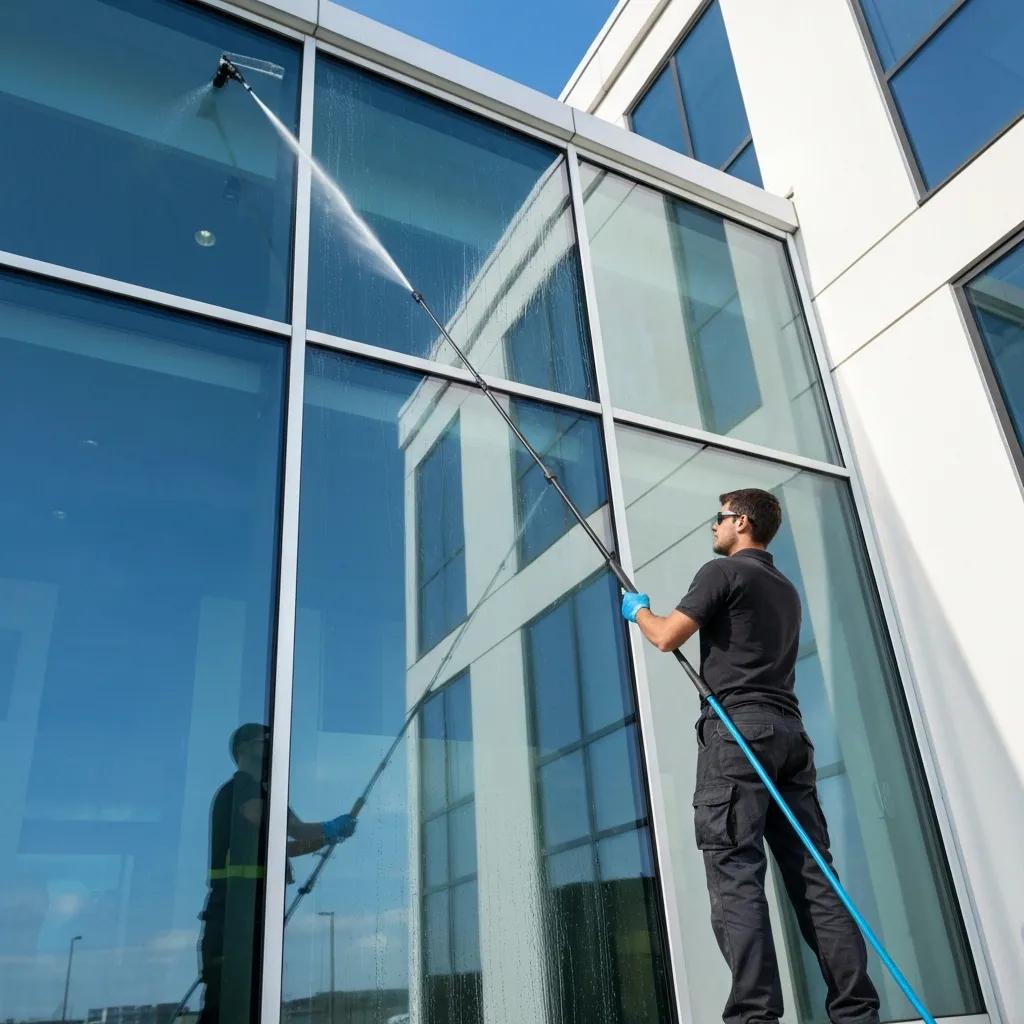
Finding the Right Schedule for Commercial Window Cleaning: Practical guidance to protect your property and your brand

Regularly scheduled commercial window cleaning is a planned program of interior and exterior glass care that removes deposits, soil and airborne contaminants to protect performance, appearance and service life. Why frequency matters: pollen, salt spray and urban dust don’t just look bad — they can chemically and physically damage glass and seals over time. Clean glazing also improves daylight, occupant comfort and the perceived professionalism of your business. This guide walks facility managers and owners through how frequency is set, the main factors that change a schedule, and clear recommendations for common property types — with local context for Camden and Atlantic County, NJ. You’ll learn how to assess exposure, set a starting cadence, adjust seasonally or after events, and balance budget, safety and image goals. Quick-reference tables, a practical checklist and steps to request a free, customized quote are included so you can act with confidence.
Why regular commercial window cleaning should be part of your facility maintenance plan
Window cleaning is preventive maintenance: removing corrosive deposits and particulates before they etch glass or degrade seals preserves glazing performance and curb appeal. Practically, routine cleaning reduces emergency repairs, extends window life and keeps exterior presentation consistent — which supports your brand. By minimizing salt, pollen, road film and industrial residues you protect transmissivity (how much visible light the glass passes), improve interior comfort and delay costly glazing replacement. Treating window care as a scheduled maintenance task — not an occasional cosmetic job — delivers better outcomes for both building performance and tenant satisfaction.
How clean windows improve your business image and curb appeal

Clear, well-maintained exterior glass signals professionalism and attention to detail — two things that build trust and encourage foot traffic for visibility-dependent businesses. Removing streaks, mineral spots and grime keeps signage and displays readable and increases the chance a passerby becomes a customer. For multi-tenant properties, consistent window care helps protect valuation and reduce appearance-related complaints. Locally, higher-traffic corridors in Camden County see more visible soiling after pollen season and road spray, which is why shops and restaurants in those areas often adopt tighter cleaning schedules. Those visual benefits also tie into interior advantages from improved natural light.
How maximizing natural light with clean windows benefits your space

Clean glass transmits more daylight and improves visual comfort, which can boost employee productivity, reduce reliance on artificial lighting and modestly lower lighting energy use. The technical point is transmissivity: soiled surfaces scatter and absorb light, while clean glazing lets more visible light through. In retail, better daylight highlights products; in restaurants and lobbies it improves ambiance and can increase dwell time. Keeping glazing clear also reduces pressure to replace or repair windows prematurely because of neglect-related damage.
Key factors that determine how often you should clean commercial windows
Frequency depends on environmental exposure, business type and visibility needs, building geometry and access challenges, plus seasonal weather patterns that affect deposit rates and corrosion risk. The main driver is exposure rate: the faster contaminants accumulate, the shorter the interval before cleaning is needed. Location and seasonality typically set the baseline, while access and safety determine the cleaning method and scope. The table below summarizes common factors and how they typically change recommended intervals so you can quickly assess your site.
Common environmental and operational factors that drive frequency adjustments are shown below.
| Factor | Attribute | Typical Frequency Adjustment |
|---|---|---|
| Coastal exposure | Salt spray and mineral deposits | Increase frequency by 25–50% for ocean-facing façades |
| Seasonal pollen | Spring pollen counts and organic residue | Add cleanings during the spring pollen peak (1–2 extra visits) |
| Urban road spray | Traffic and exhaust particulates | Increase frequency near busy roads or active construction by ~25% |
| Building height/access | Height and safety constraints | Use specialized access; schedule based on feasibility (quarterly vs annual) |
How location and environmental conditions shape cleaning schedules
Local conditions — coastal salt air, seasonal pollen and road spray — affect both appearance and material longevity, so sites with rapid or corrosive deposition need shorter intervals. Coastal salt accelerates mineral buildup and can corrode metal framing, so Atlantic County properties with ocean-facing façades should plan more frequent exterior rinses and inspections. Pollen season leaves sticky residues that catch dust and speed visible soiling, prompting extra spring cleanings for retail and hospitality. After storms or nearby construction, it’s often wise to accelerate service to prevent abrasive particles from etching glass. These patterns show why a one-size-fits-all schedule rarely works.
How business type and customer traffic change your cleaning needs
Your business type sets priorities: retail and restaurants that rely on visibility usually need more frequent cleaning to protect sales and guest experience; back-office environments balance function and budget with less frequent exterior service. Restaurants with street-facing dining may need weekly to bi-weekly attention during peak seasons, while corporate offices in sheltered plazas often operate on a quarterly cadence. Medical offices combine visibility with hygiene expectations and commonly schedule monthly service for patient-facing glass. Foot traffic and proximity to busy streets increase soiling rates, so adjust frequency where customer exposure is high.
Recommended commercial window cleaning frequencies by business type
Below are baseline frequency ranges tied to typical business priorities and local modifiers. Use this as a starting point and factor in Camden and Atlantic County conditions — coastal salt, pollen and road dust — when you finalize your plan. For a tailored schedule that accounts for your façade, exposure and budget, request a free custom quote to refine intervals and scope.
| Business Type | Typical Frequency | Rationale / Local Considerations |
|---|---|---|
| Office buildings | Quarterly (baseline) | Increase to monthly/bi-monthly for street-facing or construction-exposed façades |
| Retail storefronts | Bi-weekly to monthly | High-visibility retail on busy streets benefits from bi-weekly service during peak seasons |
| Restaurants | Weekly to bi-weekly | Front-facing dining requires frequent cleaning for guest experience, especially during pollen season |
| Medical offices | Monthly | Hygiene protocols and patient presentation drive monthly cycles; adjust after nearby construction |
| Industrial facilities | Quarterly to bi-annual | Dust and corrosion risk determine intervals; increase to quarterly where airborne particulate is heavy |
Office building schedules for Camden and Atlantic Counties
Most office buildings start with a quarterly schedule for interior and exterior glass to preserve clarity and prevent deposits from affecting seals. In Camden and Atlantic County, heavy street exposure or nearby construction often pushes offices to monthly or bi-monthly service to avoid film buildup and reduce long-term maintenance costs. Track indicators like reduced daylight, visible streaking or tenant complaints — and use an initial three-cleaning trial to test a cadence before committing to a long-term plan.
Ideal cleaning cadence for retail stores and restaurants
Because visibility affects revenue, retail storefronts often run bi-weekly to monthly schedules; restaurants with window-facing dining typically need weekly to bi-weekly service during busy months. Retailers on high-traffic corridors in Camden County usually benefit from bi-weekly cleanings during peak season and monthly maintenance in slower periods. Schedule extra cleanings before promotions, holidays or outdoor dining seasons to keep façades and signage inviting.
Cleaning frequency for medical and industrial facilities
Medical facilities commonly use monthly cleanings for patient-facing glass to meet hygiene expectations and maintain clear sightlines. Industrial facilities vary: some need bi-annual washings, others quarterly service depending on particulate load, corrosion risk and safety constraints. Sites with abrasive particulates or corrosive salts — common near coasts or heavy traffic — should plan more frequent exterior rinses and regular inspections of frames and seals. Include documented protocols in vendor scopes when medical compliance is required.
How Team Alpha Cleaning delivers consistent commercial window results
Team Alpha Cleaning pairs local responsiveness across Camden and Atlantic Counties with clear processes and policies that build trust. We provide transparent pricing with written estimates, flexible scheduling to avoid peak business hours, and licensed, background-checked teams who follow medical-compliance protocols when needed. Our equipment options — including purified water rinsing — reduce mineral spotting and lengthen the period between visits, producing streak-free results and fewer callbacks. Team Alpha gives facility managers documented scopes, measurable expectations and a local response capability for accelerated cleanings after storms or construction.
Why purified water systems and a streak-free promise matter
Purified water (deionized) removes minerals and dissolved solids that cause spotting when exterior surfaces dry. Because purified water leaves no mineral residue, glass stays clearer for longer and requires fewer return visits. Team Alpha pairs that technique with a results promise — we’ll return to address any issues if the initial service doesn’t meet the agreed scope — giving facility managers both technical and contractual assurance. Together, the equipment and guarantee reduce lifecycle maintenance costs and improve outcomes for high-visibility façades.
How flexible scheduling and transparent pricing support your operations
Flexible scheduling — after-hours, weekend or staged access — minimizes disruption for retail, restaurant and medical operations. Transparent pricing with written estimates clarifies scope, frequency and any access-related charges so managers can budget without surprises. Licensed and insured teams meet safety standards and provide liability protection, while local availability in Camden County enables timely adjustments for storm cleanup or event-driven needs. Those policies create a predictable, professional framework that helps managers balance budget and cleaning frequency with confidence.
How to determine the ideal window cleaning schedule for your property
Choose a schedule through a simple, assessment-driven process: inspect current conditions, quantify exposure, select a baseline frequency, run a trial period and then adjust based on measurable indicators and stakeholder feedback. This approach ties observed deposition rates and visibility goals to a trial cadence you can optimize — reducing overspend while meeting appearance and maintenance objectives.
Use this stepwise decision matrix to turn assessment into action.
| Facility Type | Assessment Step | Action / Outcome |
|---|---|---|
| Retail / Restaurants | Inspect storefront exposure and foot traffic | Set baseline bi-weekly/monthly; increase during peak seasons or events |
| Offices | Evaluate street exposure and tenant feedback | Begin quarterly schedule; move to monthly if visibility declines |
| Medical | Review patient-facing areas and compliance needs | Establish monthly service with documented protocols |
| Industrial | Assess particulate load and corrosion risk | Select quarterly or more frequent service and include frame inspections |
Checklist for customizing your cleaning frequency
Follow a practical checklist: perform an initial inspection, document exposure sources and visible issues, choose a baseline frequency, schedule a three-cleaning trial and monitor results. Track objective metrics like mineral spotting, seal condition and light transmission, and collect tenant or customer feedback as qualitative input. After the trial, adjust intervals for return-visit frequency, complaints or accelerated soiling during seasonal events. This iterative method aligns schedules with budget and appearance goals.
How to request a free, custom commercial window cleaning quote
When you request a free quote, have a few details ready: facility type, approximate glazing square footage, typical exposure and preferred scheduling windows, plus any access constraints or medical compliance needs. We can provide a remote estimate from those details and, if needed, follow up with an on-site assessment to finalize scope and deliver a written estimate that outlines frequency, scope and any safety or access charges. Expect a clear turnaround for written proposals and options for introductory scheduling or first-time discounts when available.
Common questions about commercial window cleaning frequency
Facility managers often ask about baseline intervals, what drives more frequent service and whether storefronts need tighter schedules than offices. Below are concise answers to help plan and to guide discussions with providers. When site-specific complexity exists, request a tailored proposal to get an accurate cadence and price.
How often should commercial windows be cleaned in Camden County, NJ?
Quarterly is a common baseline in Camden County, adjusted upward for street-facing retail, restaurants and sites exposed to pollen or nearby construction. Those locations frequently move to monthly, bi-weekly or weekly schedules depending on visibility needs. Coastal-adjacent properties and buildings near major roadways should budget for more frequent exterior rinses because of salt and road spray, especially during spring pollen and after storms. Use a three-cleaning trial to validate a cadence and request accelerated service when weather or events create visible soiling.
What factors most affect commercial window cleaning frequency?
Location and environment, business type and customer visibility, building height/access complexity, and seasonal weather patterns are the top factors. Each shifts recommended intervals by changing exposure rate or operational feasibility. Location determines deposition chemistry (salt vs pollen vs dust), business type sets visibility priority, height and access define methods and cost, and seasonal weather prompts temporary increases. Combining these factors produces a tailored schedule rather than a one-size-fits-all rule.
Do retail stores require more frequent window cleaning than offices?
Yes. Retail stores generally need more frequent cleaning because customer-facing visibility directly impacts sales and conversion. Retail often runs bi-weekly to monthly schedules while offices lean toward quarterly baselines. Exceptions occur when offices are highly exposed or offer public-facing services — in those cases their cadence may match retail. Always evaluate exposure and customer impact rather than relying solely on property category, and use trial periods to find the right balance between frequency and budget.
Frequently Asked Questions
What are the signs that my commercial windows need cleaning more frequently?
Look for visible streaks, mineral spots or a dull film that cuts daylight. Tenant or customer complaints about appearance are a clear signal your schedule may be too infrequent. Seasonal spikes in pollen or increased road spray during rainy periods also justify more frequent service to keep your building looking professional and to preserve interior light.
How can I assess the ideal cleaning frequency for my specific business type?
Start with location, foot traffic and exposure to environmental factors. High-visibility businesses like retail and restaurants usually need more frequent cleanings. Do an initial inspection to document conditions, set a baseline cadence and run a trial period to monitor effectiveness. Adjust frequency based on visual results and feedback from tenants or customers.
Are there any specific cleaning methods recommended for different types of businesses?
Yes. Restaurants may need more thorough cleanings for guest-facing areas, retail focuses on streak-free finishes and medical offices often require protocols that align with health regulations. Purified water systems are useful across property types because they minimize mineral deposits and extend clarity. Discuss your needs with a vendor so the methods match your priorities.
What should I consider when choosing a commercial window cleaning service?
Check experience, reputation and service offerings. Look for transparent pricing, flexible scheduling and a quality guarantee. Make sure the provider is licensed and insured, and ask about methods for high-rise access or eco-friendly products if relevant. Customer reviews and references give insight into reliability and performance.
How can seasonal changes impact my window cleaning schedule?
Seasonality matters: spring pollen accelerates soiling, and winter road salt or grime can increase exterior deposits. Adjust your schedule to match these patterns — more visits in spring and after stormy weather can prevent long-term damage and keep your windows presentable year-round.
What are the potential cost savings of a regular window cleaning schedule?
Regular cleaning prevents buildup that can shorten window lifespan and lead to expensive repairs or replacements. It also improves natural light, which can reduce lighting costs, and maintains a professional appearance that supports customer confidence and foot traffic. Over time, scheduled maintenance lowers lifecycle costs for glazing systems.
How can I ensure my cleaning schedule aligns with my business operations?
Share your operational hours and peak times with the cleaning provider so they can offer after-hours or weekend options to limit disruption. Use a trial period to confirm frequency and make adjustments based on operational needs, seasonal campaigns or events. Regularly review the schedule as your business changes to keep cleaning aligned with operations.
Conclusion
Picking the right commercial window cleaning schedule protects appearance, preserves glazing and improves natural light — all of which support your brand and operations. By weighing exposure, business needs, building access and seasonal patterns, facility managers can choose a cadence that balances cost, safety and visual goals. Start with a baseline, run a short trial and refine the plan based on results. When you’re ready, request a free, tailored quote to put a practical, site-specific schedule in place.