Residential vs. Commercial Window Cleaning — How to Choose the Right Service

Both residential and commercial window cleaning aim for streak-free glass, but they differ in scale, tools, safety standards, and scheduling. This guide lays out those differences in plain language so homeowners and facility managers can pick the right option. You’ll find clear descriptions of each service’s hallmarks, common techniques and equipment, safety and compliance considerations, cost drivers, and simple recommendations for cleaning frequency based on local factors like coastal salt spray or seasonal pollen. Quick comparison tables and short FAQs make the info easy to scan. By the end you’ll know which service fits your property and how to request a free, site-specific quote when you’re ready.
What Defines Residential Window Cleaning Services?
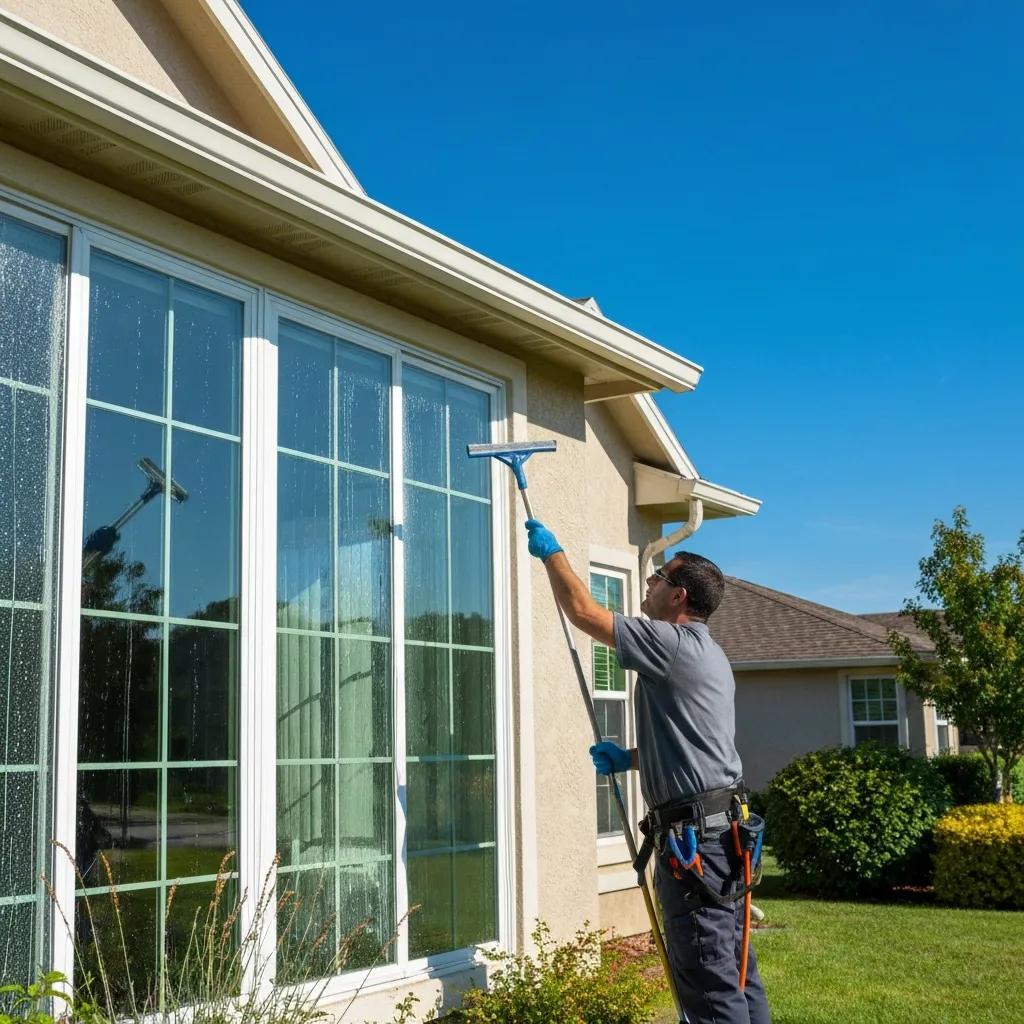
Residential window cleaning covers single-family homes, condos, and small apartments. The work centers on appearance, homeowner convenience, and careful care of frames, sills, and screens. Technicians typically use hand tools and compact purified or deionized water systems to get streak-free glass without harsh chemicals, protecting finishes and landscaping. Scheduling is flexible to match homeowner availability, and crews pay close attention to ladder safety on one- and two-story homes while focusing on visible results. The practical benefits are brighter interiors, improved curb appeal, and preventative maintenance that helps extend the life of glass and frames. Recognizing these traits helps homeowners choose services that protect surfaces while keeping windows clear.
What Are the Typical Residential Window Cleaning Techniques?
Residential jobs usually rely on hand-washing with squeegees, microfiber towels, and spot treatments for stubborn deposits. When possible, technicians use purified or deionized water to rinse without chemicals and leave a dry, streak-free finish. Crews remove or work around screens, clean sills and frames, and use ladders for second-story access while following basic fall-prevention practices. For hard-water spots or paint overspray, careful scraping and targeted treatments are applied to avoid damage. These approaches prioritize gentle handling and a polished look, typically requiring less heavy equipment than commercial work and helping preserve seals and landscaping. Technique choices influence both service frequency and final cost.
How Does Residential Window Cleaning Benefit Homeowners?
Regular residential cleaning improves curb appeal, increases natural light indoors, and prevents buildup that can etch glass or corrode frames over time. Homeowners notice immediate visual improvement and can save by avoiding premature replacement or refinishing. Cleaner windows also make interiors more comfortable and can reduce lighting needs, which helps overall energy use. In coastal or high-pollen areas, seasonal cleanings prevent accelerated wear from salt or biological deposits, making routine maintenance a smart investment. These homeowner benefits contrast with the priorities you’ll find in commercial work.
What Are the Main Characteristics of Commercial Window Cleaning Services?
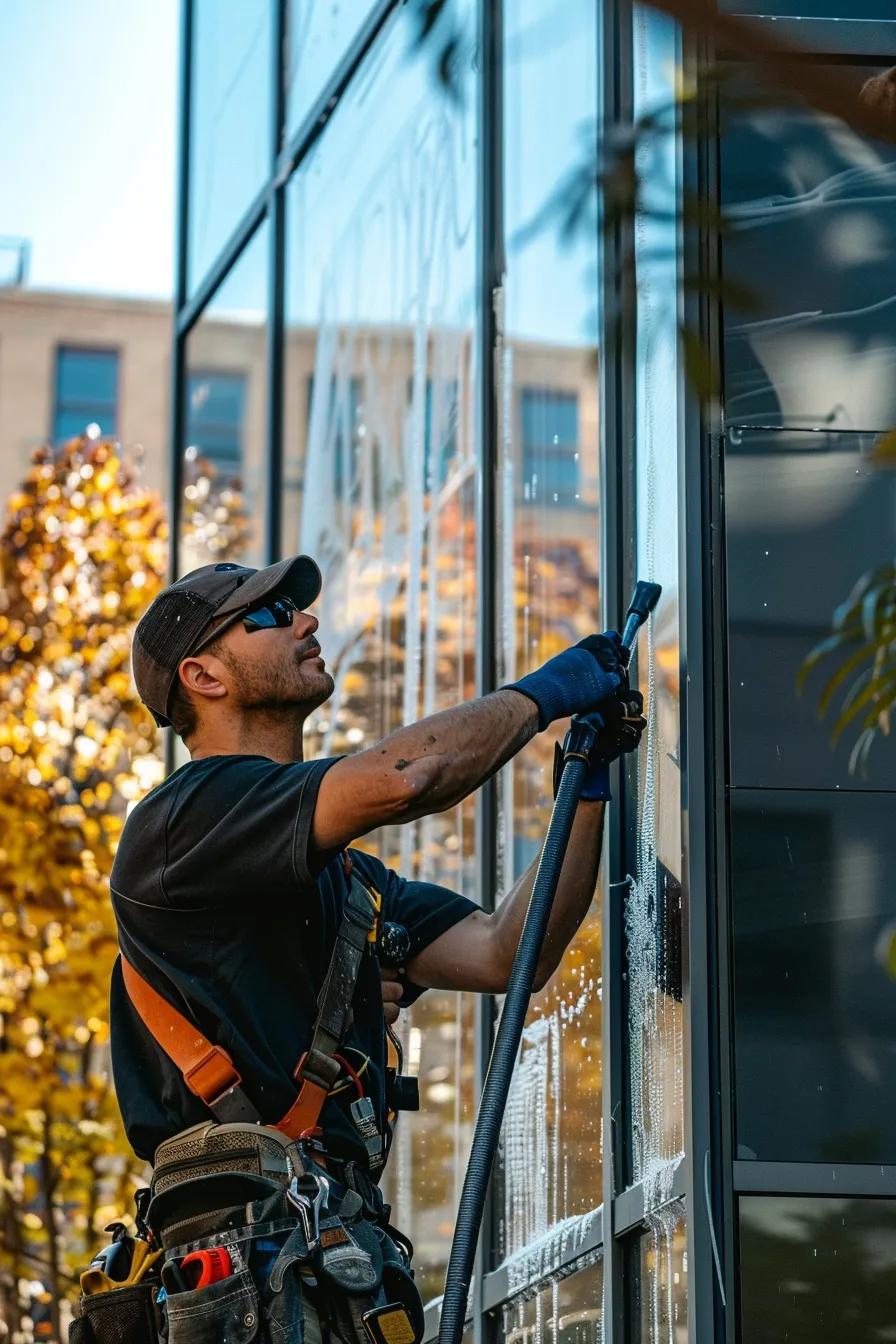
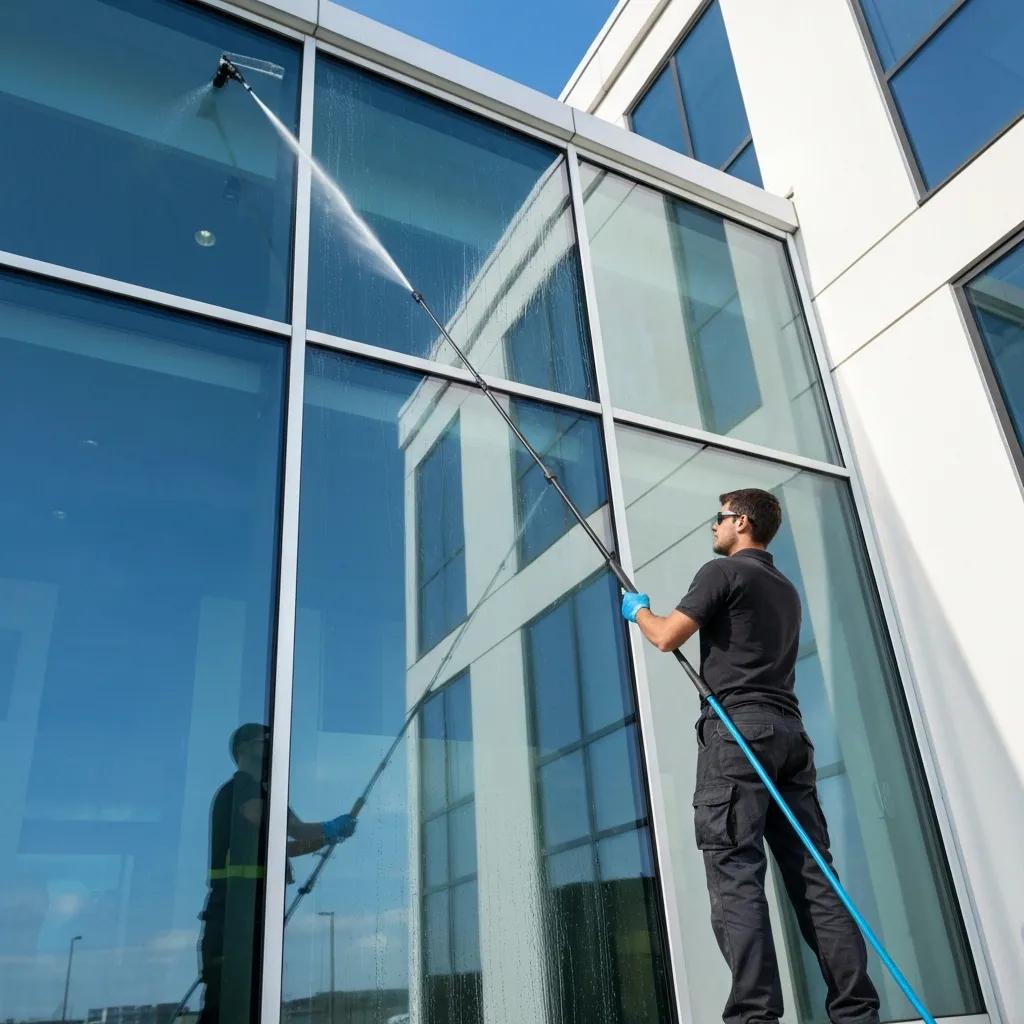
Commercial window cleaning serves storefronts, office buildings, multi-story facilities, and high-rises where appearance, compliance, and minimal business disruption are critical. Commercial projects are scheduled around business hours, often under contracts or service-level agreements, and use specialized access methods like boom lifts or rope access. Crews rely on industrial-grade deionized water systems, aerial lifts, and certified safety programs to meet regulatory and liability requirements. The emphasis is predictable scheduling, consistent presentation for your brand, and full insurance and safety coverage. Those factors help explain why commercial visits generally cost more but deliver reliable, compliant results for businesses.
Which Specialized Equipment Is Used for Commercial Window Cleaning?

Commercial crews commonly use water-fed pole systems with deionized water, aerial lifts (boom and scissor lifts), and rope-access rigs for high-rise façades, plus stronger detergents for heavy soiling when needed. These tools let teams reach heights safely and clean large areas efficiently without constant ladder moves, improving speed and safety. Deionized water removes minerals that cause spotting — essential for storefront glass and curtainwalls where appearance reflects on the brand. Lift and rope-access work requires trained operators, certified fall-protection gear, and careful site planning, which highlights the operational gap between commercial and residential jobs. Understanding the equipment helps explain cost and safety trade-offs when reviewing commercial bids.
Why Are Safety Standards Critical in Commercial Window Cleaning?

Safety is heightened on commercial jobs because work often happens at height and in public spaces, increasing risk to workers and passersby. Federal and state fall-protection rules influence methods, requiring harnesses, anchors, tested rope systems, and certified operator training for lifts and rope access. Insurance and written safety plans protect property owners from liability and demonstrate a provider’s commitment to risk management on projects that affect customers or tenants. Commercial contracts frequently request proof of insurance, site-specific safety plans, and crew certifications during vendor selection to manage site hazards. That safety focus is a key distinction between commercial and residential offerings.
How Do Residential and Commercial Window Cleaning Services Differ?
They differ across four main areas: scale and scope, equipment and techniques, safety and compliance, and scheduling/frequency. Scale covers typical window counts and glass area; equipment ranges from hand tools to lifts and water-fed systems; safety contrasts informal home precautions with formal regulatory programs; and scheduling contrasts seasonal homeowner requests with recurring commercial maintenance. The table below gives a quick comparison of property types, access difficulty, scheduling patterns, and common equipment so decision-makers — homeowners and facility managers — can see what to expect.
Different property types require different planning, staffing, and gear to deliver safe, streak-free windows with minimal disruption.
| Property Type | Typical Window Count / Area | Access Difficulty / Equipment |
|---|---|---|
| Single-family home | 10–30 windows / small surface area | Ladders, compact water-fed systems, hand tools |
| Storefront / Small business | 15–100 windows / moderate area | Water-fed pole systems, deionized water |
| Mid-rise office | 100–1,000+ sq ft glass | Boom lifts, aerial platforms, water-fed poles |
| High-rise / Curtainwall | Large continuous glass façades | Rope access, certified technicians, lifts |
This comparison shows that as glass area and height increase, so do gear needs and job complexity — moving from homeowner-friendly methods to industrial access solutions.
What Are the Differences in Scale and Scope Between Residential and Commercial Jobs?
Residential cleanings are typically one-day visits focused on visual results for a limited number of windows. Commercial projects can be large, scheduled campaigns with repeat visits and formal contracts. Scope ranges from careful cleaning around frames and landscaping at homes to full façade work for storefronts and multi-story offices that may require permits or traffic control. Larger commercial jobs often need project managers, lift operators, and coordination with building management to limit tenant or customer disruption. Scale affects crew size, equipment on site, and time to complete — all factors that drive pricing and scheduling. Understanding those differences explains why commercial work requires stricter planning and documentation.
Below is an equipment-focused table that explains which tools are typical for each setting and why.
| Equipment | Primary Use Case | Residential / Commercial Notes |
|---|---|---|
| Squeegee & Hand Tools | Detail cleaning, screens, tight spots | Core for residential; used for finish work in commercial jobs |
| Water-fed pole (deionized) | Streak-free cleaning from the ground | Smaller units for homes; longer poles for storefronts |
| Aerial lift / Boom lift | Safe access to mid-height façades | Rare for homes; common in commercial maintenance |
| Rope access | High-rise façade cleaning | Not used residentially; essential for tall commercial buildings |
The table highlights how tools shape each service: hand tools dominate residential work, while lifts and rope access are central to commercial façade care.
How Do Equipment and Techniques Vary Between Residential and Commercial Cleaning?
Residential crews typically use hand-washing, squeegees, and small water-fed systems that protect landscaping and finishes. Commercial teams depend on deionized water systems, lifts, and rope access to clean large surfaces quickly and consistently. Commercial methods prioritize speed, repeatability, and compliance — water-fed poles can reach multiple storefront levels from the ground, and rope access provides safe façade access for high-rises. Residential work focuses on visual detail like screen removal and track cleaning, while commercial techniques handle heavier deposits and wide expanses without streaks. These differences help determine whether a recurring maintenance contract is right for your property.
What Are the Distinct Safety and Compliance Requirements?
Residential work centers on ladder safety and basic fall precautions; commercial projects require formal safety programs, site-specific plans, and certified operators for lifts and rope access. Building managers commonly request proof of insurance, written procedures, and training records before crews are allowed on site. Commercial compliance reduces liability and aligns with occupational safety rules for work at height, protecting both workers and occupants. Because of the higher risk, commercial providers invest more in training, equipment inspection, and documentation — reasonable costs to reduce exposure and meet regulations.
How Do Frequency and Scheduling Differ for Residential vs. Commercial Cleaning?
Residential cleaning typically runs seasonal to biannual depending on local exposure, homeowner preference, and visible dirt. Commercial schedules are often monthly to quarterly to maintain brand image and tenant satisfaction. Coastal homes or those near trees may need more frequent residential visits for salt or pollen; retail storefronts may require weekly or monthly attention during busy seasons. Commercial contracts often include set maintenance windows, priority responses, and SLAs that define cadence and quality. Matching frequency to environment and usage keeps results effective without unnecessary expense.
After outlining these differences, it helps to see how a local provider maps its capabilities. Team Alpha Cleaning aligns equipment and schedules with the needs above and can help property owners choose the right cadence and access plan; customers in Camden and Atlantic Counties, NJ, can contact Team Alpha Cleaning for a free, site-specific quote.
What Are the Cost Factors and Pricing Models for Residential vs. Commercial Window Cleaning?
Price depends on measurable factors: job size (window count and glass area), height and access difficulty, contract terms or frequency, equipment and water treatment needs, and local travel or environmental conditions. Residential rates often use per-window or per-job pricing with adjustments for multi-story access, screens, and hard-water stain removal. Commercial pricing tends toward contract or scope-based proposals that cover recurring maintenance and safety requirements. Knowing these cost drivers helps clients compare bids and avoid surprises like permit fees, lift rentals, or specialty cleaning for industrial soiling. The table below summarizes common pricing approaches and when they apply.
Residential and commercial pricing reflect different risk profiles, equipment investments, and operational planning, which is why models vary by property type.
| Pricing Model | When Used | Typical Client Example / Frequency |
|---|---|---|
| Per-window / Per-job | Small residential jobs or one-off cleanings | Single-family homes, seasonal visits |
| Hourly | Irregular access or undefined scope | Specialty repairs or detailed work |
| Contract / Maintenance agreement | Recurring commercial needs | Storefronts, offices on monthly or quarterly schedules |
| Enterprise / Scope-based quote | High-rise or complex façade projects | Large towers with custom schedules |
Recurring contracts smooth costs for businesses, while per-job pricing remains common for homeowners.
How Is Residential Window Cleaning Priced?
Residential pricing usually takes a per-window or flat per-job approach, with adjustments for two-story access, screens, and hard-to-reach panes. Hard-water stain removal and track cleaning may add to the base price. Homeowners should expect clear estimates that list included services — glass, sills, screens — and note exclusions like deep-etch restoration or glass replacement. Seasonal demand and local conditions (coastal salt or pollen) can affect scheduling and pricing since extra visits or spot treatments raise labor and materials. Asking for a written estimate that defines scope helps avoid surprises at the job’s end.
What Pricing Models Apply to Commercial Window Cleaning?
Commercial providers commonly offer contract pricing with set frequencies and service levels, or scope-based enterprise quotes for one-off façade work. Commercial estimates factor in lift rentals, rope-access planning, permits, and safety supervision. Maintenance agreements often include scheduled visits, documented inspections, and priority scheduling to minimize business impact. For complex façades, providers produce site-specific proposals outlining rigging, safety plans, and insurance costs. Team Alpha Cleaning follows transparent pricing and invites commercial clients in Camden and Atlantic Counties, NJ, to request a free quote so estimates reflect access and safety needs.
Why Choose Team Alpha Cleaning for Residential and Commercial Window Cleaning in Camden and Atlantic Counties, NJ?
Team Alpha Cleaning brings local experience, dependable crews, and the right equipment to deliver streak-free results while managing safety and liability for both homes and businesses. Our value includes licensed teams, streak-free finishes using advanced systems and purified water, and insured crews with documented safety practices. Serving Camden and Atlantic Counties, NJ, we understand local conditions — coastal salt spray and seasonal pollen — and adjust schedules and methods accordingly. If you want transparent pricing and an easy next step, Team Alpha offers free quotes that reflect on-site realities and your priorities.
What Professional Benefits Does Team Alpha Offer for Residential Clients?
Homeowners receive streak-free finishes from purified water systems and careful hand detailing around screens, frames, and landscaping to protect curb appeal. Our local experience helps technicians schedule around peak pollen and salt exposure, extending the life of results and reducing how often you need service. We work around homeowner availability and use gentle methods that avoid damage to seals or nearby surfaces. To find the right package for your home, request a free quote and we’ll outline a clear scope and price.
How Does Team Alpha Ensure Safety and Compliance for Commercial Clients?
For commercial projects, Team Alpha provides insured crews, site-specific safety plans, and adherence to industry standards for work at height, including trained lift and rope-access operators when required. We document safety procedures, verify crew qualifications, and coordinate with building management to limit disruption and follow site rules. Our operational discipline reduces vendor risk for facility managers and simplifies procurement with clear insurance and safety documentation during contract talks. Request a free quote so scope, schedule, and safety requirements are fully reflected in the proposal.
How Can Customers Request a Free Quote from Team Alpha Cleaning?
To get an accurate estimate, have basic details ready — property type, approximate window count, number of stories, and any access constraints — then request a free quote so Team Alpha can tailor pricing. The quote process starts with a scoping call and may include an on-site assessment for commercial façades or complex access to ensure the estimate covers safety equipment and permits. Written quotes list included services and any potential extra costs, making it easy to compare options. Prospective customers in Camden and Atlantic Counties, NJ, are encouraged to request a free, site-specific proposal.
Frequently Asked Questions
What are the environmental factors that affect window cleaning frequency?
Local conditions like coastal salt spray, tree pollen, and urban pollution influence how often windows need cleaning. Coastal homes usually need more frequent service because salt deposits build up; properties near trees collect pollen and debris faster; and city pollution accelerates grime. Knowing these factors helps homeowners and facility managers set a schedule that keeps windows looking good and protects the glass.
Can residential window cleaning services handle hard-to-reach windows?
Yes. Many residential teams use extension poles and water-fed systems to clean from the ground without ladders. For very challenging access — high or awkwardly placed windows — professionals may use ladders or scaffolding while following safety practices. Discuss access concerns with your provider so every window is included in the plan.
What should I look for in a window cleaning service provider?
Look for experience, positive customer reviews, and clear safety protocols. Make sure the company is insured and that staff are trained — especially for commercial jobs. Ask about their methods and equipment to confirm they match your property’s needs, and insist on a transparent, written quote that lists what’s included.
How can I prepare my property for a window cleaning service?
Clear furniture, decorations, and obstacles from window areas to allow easy access. If you plan to remove screens beforehand, let the crew know — many services will handle screens for you. Point out hard-water stains or special areas needing attention so technicians can plan accordingly. Good access makes the job faster and more thorough.
Are there any risks associated with DIY window cleaning?
Yes. DIY cleaning carries fall risk, especially when using ladders or working at height. Poor technique can leave streaks, scratches, or damage seals and frames. Without proper equipment like deionized water systems, you may not achieve a streak-free finish. Hiring professionals reduces accident risk and protects your windows.
What are the benefits of scheduling regular window cleaning services?
Regular cleaning boosts curb appeal, increases natural light, and extends the life of windows by preventing abrasive buildup. Clean windows can also improve energy efficiency by letting in more daylight and reducing artificial light use. A routine schedule can save money long term by avoiding costly repairs or replacements.
What Equipment Is Typically Used in Residential vs. Commercial Window Cleaning?
Residential jobs usually use squeegees, scrapers, microfiber towels, ladders, and small purified or deionized water feeders for reachable windows. Commercial work uses water-fed poles with deionized water, aerial and boom lifts, and rope-access gear for higher elevations and large façades. Industrial detergents and specialty spot treatments are more common on commercial sites to handle heavy deposits from pollution or construction. Using the right tools improves efficiency, safety, and long-term maintenance for both property types.
What are the environmental factors that affect window cleaning frequency?
Local conditions like coastal salt spray, tree pollen, and pollution levels influence how often windows should be cleaned. Coastal homes generally require more frequent visits because salt accumulates; properties near trees collect pollen and debris faster; and urban pollution accelerates grime buildup. Understanding these factors helps set a practical cleaning schedule that protects glass and maintains appearance.
Can residential window cleaning services handle hard-to-reach windows?
Yes. Many residential teams use extension poles and water-fed systems to clean from the ground without ladders. For especially challenging access — high or awkwardly placed windows — professionals may use ladders or scaffolding while following safety protocols. Discuss access needs with your provider to ensure all windows are included.
What should I look for in a window cleaning service provider?
Seek experience, solid customer feedback, and clear safety protocols. Confirm the company is insured and that staff are properly trained — especially for commercial jobs. Ask about methods and equipment to make sure they match your property’s needs, and insist on a written quote that lists included services and any exclusions.
How can I prepare my property for a window cleaning service?
Remove furniture, plants, or obstacles from window areas to provide clear access. If you prefer the crew to handle screens, let them know; many teams will remove and reinstall screens for you. Point out hard-water stains or special problem areas so technicians can plan accordingly. Good preparation speeds the job and improves results.
Are there any risks associated with DIY window cleaning?
Yes. DIY cleaning can risk falls, especially with ladder use or work at height. Improper technique may leave streaks, scratches, or damage to seals and frames. Without equipment like deionized water systems, you may not get a true streak-free finish. Hiring professionals reduces accident risk and preserves your windows.
What are the benefits of scheduling regular window cleaning services?
Regular cleaning enhances curb appeal, increases natural light, and extends window life by preventing abrasive buildup. Clean windows can improve energy efficiency by maximizing daylight. On balance, a routine schedule helps avoid costly repairs or early replacement.
What Equipment Is Typically Used in Residential vs. Commercial Window Cleaning?
Residential work commonly uses squeegees, scrapers, microfiber towels, ladders, and compact purified or deionized water feeders for reachable windows. Commercial operations use water-fed poles with deionized water, aerial and boom lifts, and rope-access systems for higher elevations and wide façades. Industrial detergents and specialty spot treatments are more common on commercial sites to handle heavy deposits from pollution or construction. Using the right tools improves efficiency, safety, and long-term upkeep for both property types.
How Often Should Residential and Commercial Windows Be Cleaned?
Residential windows are typically cleaned seasonally to twice a year depending on salt spray, pollen, or nearby construction. Commercial properties often follow monthly to quarterly schedules for storefronts and regular maintenance cycles for offices. High-traffic retail locations or coastal sites may need more frequent visits to protect visibility and brand image. Facility managers should match cadence to tenant expectations and local conditions to balance cost and appearance. Adjust frequency based on observed soiling to keep maintenance budgets efficient.
What Safety Measures Are Required for Commercial Window Cleaning?
Key safety measures include site-specific safety plans, fall-protection systems (harnesses and anchors), certified rope-access operators, trained lift operators, and proof of insurance to protect workers and property owners. Property managers should request evidence of insurance, crew certifications, and a written safety plan during vendor selection. These precautions reduce liability and ensure work proceeds with proper risk controls and regulatory alignment. Clear safety documentation also speeds approval for large commercial projects.
- Key Takeaways: Residential services focus on detail and homeowner convenience; commercial services prioritize access, safety, and regular maintenance.
- Action Step: Gather property details — window count, number of stories, access issues — and request a free quote so providers can give accurate, site-specific estimates.
- Vendor Checklist: Ask providers for proof of insurance, documented safety procedures, and a clear written quote before scheduling work.
Conclusion
Understanding the differences between residential and commercial window cleaning helps property owners make informed choices that protect appearance and safety. By matching the right service to your property, you can optimize cleaning frequency and safeguard your investment. For tailored options and a transparent estimate, reach out to a professional provider for a free quote. Start today to keep your windows clear and your property well cared for.
Conclusion
Knowing the distinctions between residential and commercial window cleaning empowers property owners to make practical decisions that improve both aesthetics and safety. Choosing the right service helps you set an efficient schedule and protect your investment over time. For personalized recommendations and a clear estimate, contact a professional provider for a free quote. Take the first step today to keep your windows pristine and your property well-maintained.