Smart, Time-Saving Home Cleaning Strategies You Can Use Today
Cleaning efficiently means using focused routines, the right tools, and clear priorities so you spend less time on chores and more time enjoying a healthy, comfortable home. This guide walks through practical, repeatable methods—start-with-declutter approaches, top-to-bottom sequences, and easy schedule templates—that cut total cleaning time and improve results in busy rooms. If you struggle with limited time, growing clutter, or inconsistent outcomes, the steps below tackle those problems with simple, immediately usable examples. You’ll learn why efficiency pays off, fast hacks to save minutes, a ready-to-use cleaning schedule, a room-by-room deep-clean checklist, eco-friendly recipes that actually work, and guidance on when to call in pros. Prefer a professional option instead of DIY? This guide points you to local services where you can request a free quote and get consistent results without the hassle.
Why efficient cleaning matters for busy households
Efficient cleaning is about focusing on the tasks that matter most: cutting redundant work, preventing rework, and keeping maintenance manageable. The approach is straightforward—declutter to remove obstacles, clean top to bottom to avoid recontamination, and use short, timed sessions to keep rooms maintained with minimal daily effort. The payoff is measurable: you regain hours each week, reduce missed allergens, and lower everyday stress from living in a more orderly space. Once you see those returns, it’s easier to pick routines and tools that match your household pace and to know when bringing in professional help will amplify the benefits. The next section explains the health and stress-related gains that make efficiency more than a convenience.
How efficient cleaning improves health and lowers stress
Cleaning efficiently helps health by removing dust, pet dander, and surface germs that trigger allergies and breathing irritation—so you have fewer flare-ups and need fewer reactive deep cleans. Regularly reducing buildup also prevents microbial hotspots, meaning each cleaning lasts longer and you spend less total time over weeks and months. On the mental side, a simple routine and clear surfaces cut decision fatigue and environmental stress, freeing mental energy for family, work, or rest. For example, a 10–15 minute nightly tidy can stop a two-hour weekend scramble, which adds up to hours saved each month. Those health and wellness gains show why efficiency-focused habits multiply both time and quality of life.
How professional cleaners fit into an efficient plan
Professional cleaning can significantly boost efficiency by supplying trained teams, purpose-built equipment, and predictable schedules that take chores off your plate. Crews that follow standardized checklists and use vetted, background-checked staff deliver consistent results that protect indoor air quality and extend the life of surfaces and fabrics. For busy homes, outsourcing periodic deep cleans or routine maintenance prevents task backlog and makes DIY sessions shorter and less frequent. Knowing when to delegate lets you reclaim time for higher-value activities—below we list practical hacks you can use whether you’re doing it yourself or hiring help.
Quick time-saving cleaning hacks to try today

Smart hacks shave steps, use multi-use tools, and focus effort where dirt gathers fastest. The idea is to work smarter: gather your supplies up front, tackle high-traffic zones first, and opt for short, focused bursts instead of long, unfocused sessions. A handful of reliable hacks can dramatically cut your cleaning time while keeping rooms presentable. Below is a quick overview of the simplest, highest-impact habits and tools.
Smart hacks at a glance
- Keep supplies in a portable caddy so you don’t waste time returning to the closet.
- Work top-to-bottom and left-to-right to avoid wiping the same surface twice.
- Use short timers (10–20 minutes) for single-task sprints that maintain momentum.
Those small changes reduce friction, stop wasted motion, and make short routines sustainable. The following subsections highlight the best tools and the declutter-first mindset that make these hacks effective.
Smart tools that actually save time
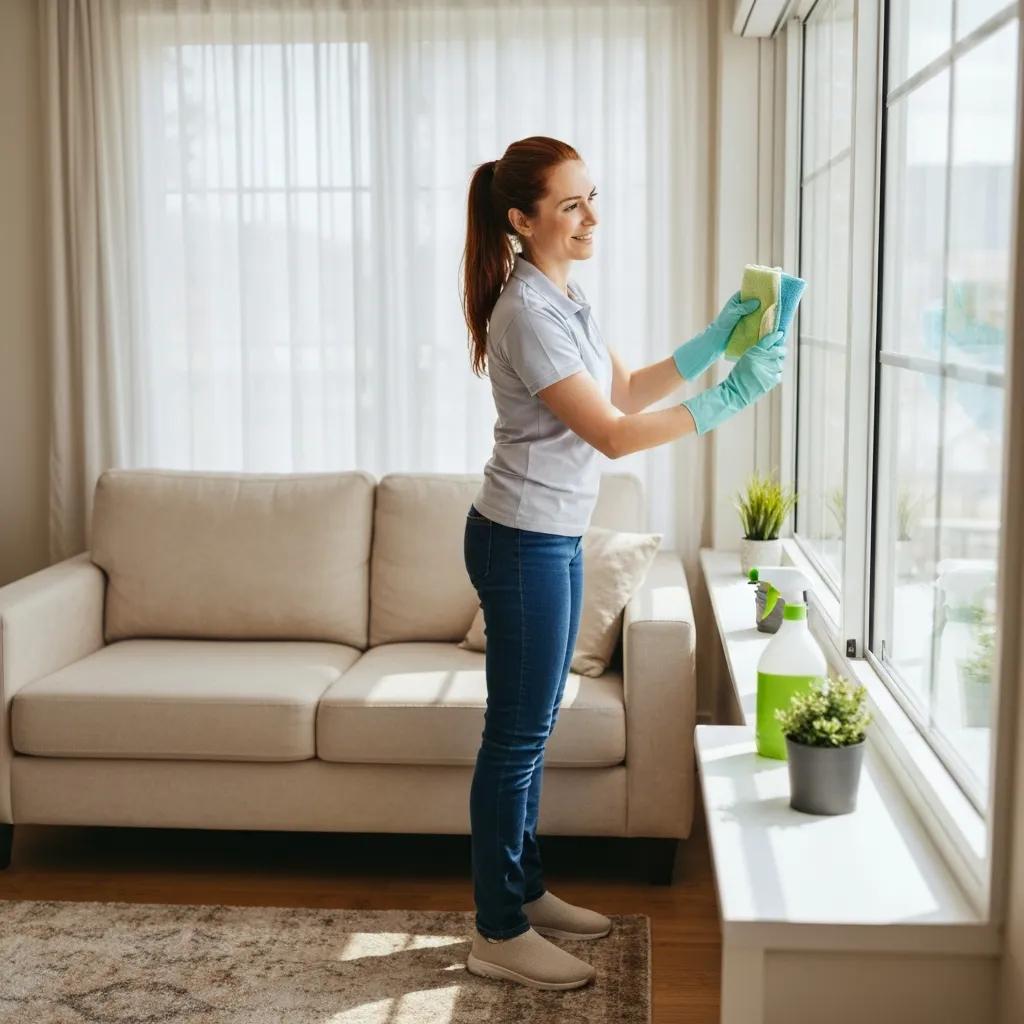
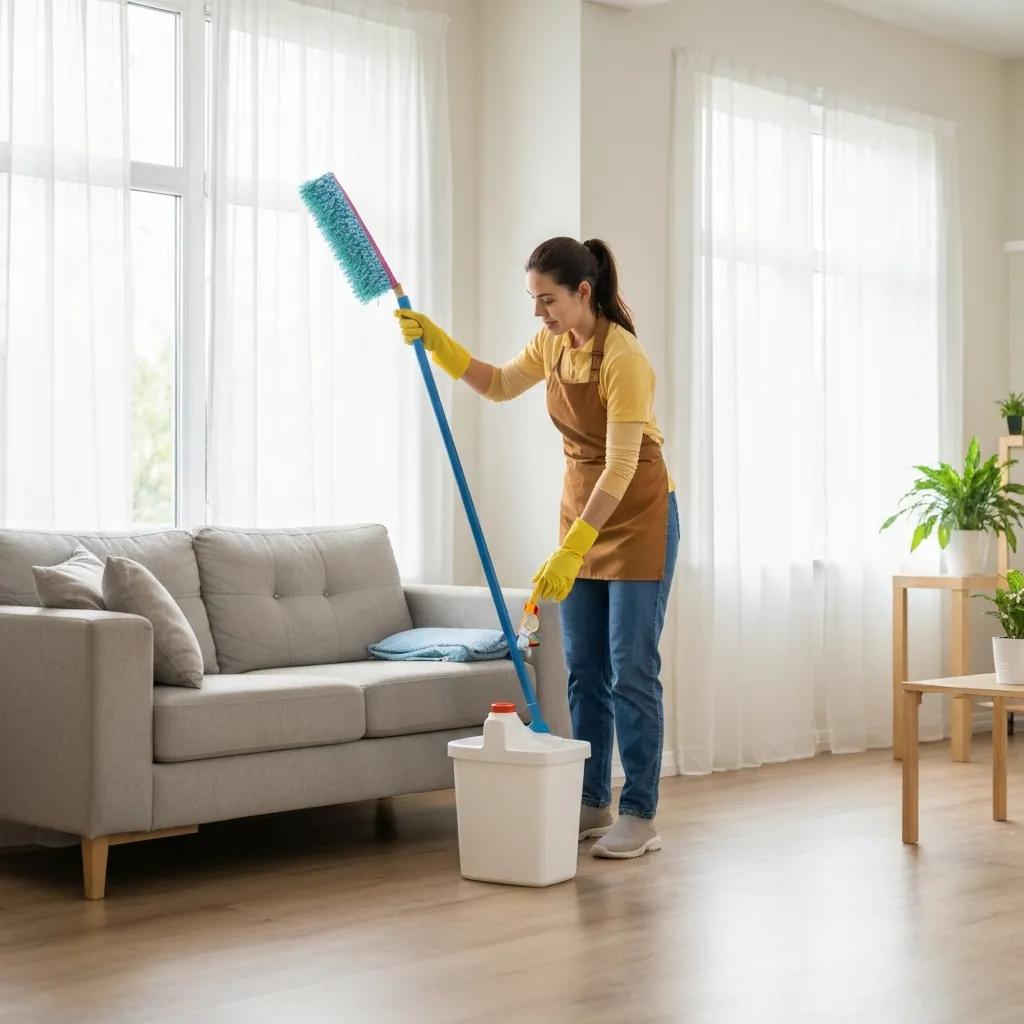
Microfiber cloths, focused vacuum attachments, versatile mops, and a well-stocked cleaning caddy are the workhorses of efficient cleaning. Microfiber traps dirt with less moisture and fewer passes than old rags, and the right vacuum attachments reach crevices and upholstery faster than standard nozzles. A cordless stick vacuum or a lightweight model that suits your floors speeds setup and movement, saving minutes that add up across rooms. Finally, an organized caddy cuts unnecessary trips. When tools fit the task, each pass is faster and more effective.
Why decluttering first makes cleaning quicker
Decluttering clears the obstacles that slow surface cleaning, so starting with a quick tidy reduces steps and decisions during each session. Try a five-minute daily reset—sort mail, clear counters, stash toys—and you’ll stop surfaces from becoming long-term dirt traps. Use simple storage like entryway baskets and labeled bins to speed sorting and make habits repeatable. Over time, a declutter-first routine changes the daily baseline so maintenance takes less time and deep cleans are required less often.
How to build an effective cleaning schedule
A practical schedule splits chores into daily habits, weekly tasks, and monthly deep cleans so nothing becomes overwhelming and maintenance stays predictable. The logic is frequency matching: short daily actions prevent buildup that would otherwise demand longer weekly or monthly work, and assigning specific days removes decision fatigue. Below is a template you can adopt now, followed by a compact time-allocation table you can adjust to fit your household.
Use this template to map chores into short time blocks and assign simple ownership so routines stick.
- Daily (10–20 minutes): Make beds, wipe high-touch spots, quick kitchen tidy, and load or empty the dishwasher.
- Weekly (60–120 minutes across a day): Vacuum the home, dust surfaces, clean bathrooms, and change bedding.
- Monthly (90–180 minutes): Clean appliances, wash windows, deep-clean baseboards and vents, and rotate seasonal tasks like patio sweeping.
Keeping a predictable cadence turns big cleans into manageable blocks and helps you estimate time before deciding to outsource. The table below gives realistic time estimates you can scale to household size and lifestyle.
| Area | Frequency | Time Estimate |
|---|---|---|
| Kitchen counters & sink | Daily | 10–15 minutes |
| Bathrooms (surface clean) | Weekly | 20–30 minutes |
| Floors (vacuum/sweep/mop) | Weekly | 30–45 minutes |
| Refrigerator / appliance wipe | Monthly | 20–40 minutes |
| Declutter zones (entry/living) | Daily | 5–10 minutes |
That schedule shows how short, consistent sessions add up and where you save most time by staying regular. Adjust the times for your household, and consider professional help for recurring high-effort monthly jobs.
Daily habits that keep your home guest-ready
Daily habits are small actions that stop dirt from accumulating and keep visible areas tidy, which makes longer cleaning less frequent. Examples: a quick morning wipe of counters, an evening sweep at entryways, and spot-cleaning spills as they happen. These actions only take 5–20 minutes total and prevent stubborn stains and clutter. Assign small tasks to family members or pair chores with routines—like wiping counters after your morning coffee—to build dependable habits. The result is fewer emergency cleanups and steadier weekly maintenance.
Weekly and monthly tasks that preserve long-term cleanliness
Weekly and monthly tasks address deeper dirt and system maintenance that quick daily habits can’t, such as grout work, upholstery vacuuming, and appliance interior wipes. Weekly cycles should include full vacuuming, bathroom disinfecting, dusting, and linen changes; monthly cycles target baseboards, vents, oven interiors, and window treatments. Slot these tasks on the same day each week or month to build rhythm and prevent neglect. For heavy jobs—like oven degreasing or deep upholstery cleaning—outsourcing can save time and deliver better results.
What a deep-clean checklist looks like
A deep-clean checklist is a room-by-room, top-to-bottom sequence that tackles embedded soils, neglected corners, and resets your home’s baseline cleanliness. The method: isolate tasks per room and clean high surfaces first so debris falls to floors you clean last—this minimizes repeat work. Use the checklist seasonally or annually, and time each room to decide whether to DIY or hire professionals. The room-by-room table below gives time and tool estimates to help gauge do-it-yourself effort versus hiring a pro.
This table helps you compare DIY time to the efficiency of a professional visit.
| Room | Task | Estimated Time / Tools Needed |
|---|---|---|
| Kitchen | Clean behind appliances, degrease cabinets, deep-scrub sink | 90–150 minutes / degreaser, scrub brush, microfiber |
| Bathroom | Remove limescale, grout cleaning, descale showerhead | 60–120 minutes / descaler, grout brush, vinegar |
| Living room | Upholstery vacuuming, deep dusting, clean vents | 60–120 minutes / HEPA vacuum, extendable duster |
Use those estimates to prioritize rooms that may need a pro if you lack time; a targeted professional visit can return many homeowner hours and restore surfaces so maintenance stays easier longer. Below are step-by-step tips for running an efficient room-by-room deep clean.
Room-by-room deep clean: top-to-bottom method
Start at ceiling fixtures and work downward: dust light fixtures and ceiling fans first so particles fall to lower surfaces you’ll clean later. Next, dust and wipe shelves, cabinets, and counters, then clean windows and mirrors before finishing with upholstery and floors—this order prevents recontamination and cuts down on repeat passes. Use task-specific tools—microfiber for dusting, scrubbing pads for grout, and a HEPA-capable vacuum for soft surfaces—to speed each step and improve results. Breaking a room into 20–40 minute focused segments keeps momentum and makes completion times predictable. These steps make deep cleans efficient and help you decide when to call in professionals for larger or frequent deep jobs.
Best times to schedule a deep clean
Plan deep cleans seasonally, after major events or renovations, or when allergens spike—times when buildup accelerates. Look for triggers like persistent odors, noticeable grime behind appliances, or before/after big gatherings and move-in/move-out moments. If monthly maintenance still leaves stubborn stains or air quality issues, a professional deep clean can reset baseline conditions and cut future maintenance time dramatically. For homeowners in Camden and Atlantic Counties, Team Alpha Cleaning provides deep-clean options and free quotes to help you weigh DIY hours against professional efficiency—request a free quote to compare the two.
How eco-friendly methods can speed cleaning and protect your home

Green cleaning can be faster when you rely on a few concentrated, multi-use recipes—vinegar-based sprays and baking soda scrubs that handle many soils without a cabinet full of specialty products. The idea is consolidation: choose a small set of safe, effective mixes and tools that handle most day-to-day messes while minimizing rinses and residues that attract dirt. These methods also improve indoor air quality and reduce chemical exposure for people and pets. Below you’ll find quick DIY recipes and a comparison table that shows time-saving and health impacts to help you decide between homemade green options and commercial eco products.
Quick DIY recipes
- All-purpose spray: Mix white vinegar with water and a few drops of citrus oil for easy degreasing on counters and stainless surfaces.
- Glass cleaner: Combine water, vinegar, and rubbing alcohol for streak-free windows and mirrors.
- Deodorizer scrub: Make a baking soda paste to remove stains and neutralize odors in tubs and sinks.
Those recipes save storage space, cut trips to the store, and often require fewer rinse passes than heavy commercial formulas—saving time. The table below compares common green ingredients by benefit and how they speed work and support health.
| Product/Ingredient | Benefit | Time-saving / Health impact |
|---|---|---|
| Vinegar (diluted) | Effective degreaser and mild disinfectant | Replaces separate degreasing products; low chemical exposure |
| Baking soda | Gentle abrasive and odor neutralizer | Reduces need for multiple scrubs; safe for most surfaces |
| Citrus oils | Boosts solvent power and leaves a fresh scent | Improves degreasing in small doses; pleasant, natural scent |
That comparison shows a compact set of green ingredients can replace many specialty cleaners, save storage, and cut steps. If a job needs heavy-duty intervention or specialized equipment, consider professional green-cleaning services that combine eco-friendly products with trained techniques.
Natural cleaners that save time and protect health
Time-saving natural cleaners do multiple jobs and require minimal dwell time—diluted vinegar for quick degreasing, baking soda for abrasive scrubs that skip multi-step products, and alcohol-based sprays that evaporate fast on glass. These choices reduce tool switching and waiting, while lowering exposure to harsh chemicals. Note: avoid vinegar on sensitive surfaces like natural stone where it can etch; knowing material compatibility prevents rework. A small toolkit of safe, multi-use products simplifies decisions and speeds work across rooms.
Why sustainable cleaning is a practical choice
Sustainable cleaning cuts indoor pollutants, reduces plastic and chemical waste, and often lowers long-term costs by using concentrates and refillable containers. That environmental win also improves efficiency: fewer products mean fewer purchases and less time spent deciding which cleaner to use. Over months and years, green habits reduce recurring maintenance because they avoid residue buildup from harsh chemicals that attracts more dirt. For households balancing time and environmental values, green approaches offer a practical path to a cleaner, healthier home with less ongoing labor.
When it makes sense to hire professional residential cleaners
Bringing in professional residential cleaners is the right efficiency move when time is tight, deep-clean needs recur, you’re preparing for events, or specific health concerns make DIY impractical. Pros bring trained staff, specialty equipment, and checklists that finish tasks faster and with consistent quality—turning uncertain DIY hours into predictable outcomes. Below are common situations where hiring professionals saves time and stress, and how Team Alpha Cleaning’s local services fit those needs, including how to request a free quote.
When to hire a pro
- Ongoing time shortages that make weekly or monthly maintenance unrealistic.
- Preparing for or cleaning up after major events, renovations, or move-in/move-out transitions.
- Needing specialized deep cleaning (grout, upholstery, heavy degreasing).
When those triggers appear, outsourcing converts uncertain DIY hours into a fixed, efficient service. The sections below outline Team Alpha Cleaning’s offerings and how tailored plans map to different household needs.
Why homeowners choose Team Alpha Cleaning
Team Alpha Cleaning provides residential cleaning and commercial services across Camden and Atlantic Counties, including routine house cleaning, deep cleans, move-in/move-out support, laundry service, and seasonal work. Our team offers trained, background-checked cleaners, flexible scheduling (weekly, bi-weekly, monthly), transparent pricing with no contracts, and local service with free quotes. Those features let homeowners set up consistent maintenance or one-off deep cleans without long-term commitments—freeing time and easing the burden of chore management. To compare DIY hours with a professional plan, request a free quote and discuss your scope with us.
How tailored plans fit different households
Custom plans match frequency and scope to household size, activity level, and priorities: weekly plans work best for large families or homes with pets, bi-weekly plans balance cost and upkeep for moderately busy households, and monthly plans suit lower-occupancy homes or seasonal maintenance. Add-ons—laundry service, seasonal deep cleans, or move-in/move-out scopes—let you outsource only the tasks that eat the most time. To arrange service, request a free quote from Team Alpha Cleaning; the free-quote process helps you compare DIY time and effort against a professional plan so you can pick the most efficient option.
Frequently Asked Questions
What are the most effective eco-friendly cleaning products?
Simple, effective eco-friendly options include vinegar, baking soda, and citrus oils. Vinegar works as a mild disinfectant and degreaser on many kitchen surfaces. Baking soda is a gentle abrasive and odor neutralizer, ideal for scrubbing sinks and tubs. Citrus oils add solvent power and a pleasant scent. These choices reduce chemical exposure in your home and are safer for families and pets when used appropriately.
How can I maintain a clean home with pets?
Keeping a home clean with pets combines regular grooming, strategic cleaning routines, and pet-safe products. Brush pets often to cut shedding and dander, vacuum high-traffic areas daily or several times a week, and wipe surfaces to remove hair and odors. Use pet-friendly cleaners and consider designating pet zones to contain messes and make cleaning easier overall.
What are the signs that my home needs a deep clean?
Look for visible dust buildup, persistent odors, or neglected spots like behind appliances or under furniture. If allergens such as pet dander or dust affect your health, it’s time for a thorough clean. If routine maintenance isn’t keeping pace with mess or you’re preparing for an event, a deep clean will reset your home and improve indoor air quality.
How can I involve my family in cleaning routines?
Get family members involved by assigning age-appropriate tasks and keeping a simple chore schedule. Make chores fun—turn tasks into short races or set a timer for sprint sessions. Tackle bigger projects together, and recognize contributions to build motivation. Small, consistent participation from everyone makes upkeep faster and creates shared responsibility.
What are the benefits of using a cleaning schedule?
A cleaning schedule brings structure and consistency, making it easier to stay on top of chores. Breaking tasks into daily, weekly, and monthly slots prevents overwhelming buildup and cuts total time spent cleaning. A schedule also helps distribute responsibilities and lets you track progress so you can tweak the plan to match your household’s needs.
How often should I deep clean different areas of my home?
Deep-clean frequency depends on use: high-traffic areas like kitchens and bathrooms usually benefit from deep cleaning every 3–6 months, while guest rooms may be cleaned annually. Upholstery and carpets often need deep cleaning every 6–12 months, depending on wear and pets. Regularly assess each area to set the right cadence for your home.
What are the advantages of hiring a professional cleaning service?
Hiring professionals saves time, brings expertise, and delivers consistent results. Pros use specialized tools and methods to achieve a deeper clean than most homeowners can manage and can efficiently handle tough jobs like grout and upholstery. Outsourcing cleaning frees you to focus on other priorities, reduces stress, and returns valuable time to your week.
Conclusion
Adopting efficient home cleaning strategies saves time and improves the health and comfort of your living space. By prioritizing high-impact tasks and using smart tools, you can keep your home tidy with less effort. If you need extra help, professional cleaning services can streamline your routine and deliver consistent results. Learn how tailored solutions from Team Alpha Cleaning can simplify your cleaning and give you back your time—request a free quote to get started.