Eco-Friendly House Cleaning in NJ — Sustainable Solutions for a Healthier Home
Green house cleaning uses non-toxic, biodegradable products and low-impact methods to cut indoor pollutants while leaving your home professionally cleaned. This guide shows how sustainable cleaning improves indoor air quality, protects children and pets, and reduces runoff that affects local waterways — with practical tips for homeowners in Camden County and Atlantic County. You’ll learn how lower VOC exposure works, which plant-based products to look for, and proven techniques like microfiber dusting and HEPA filtration that deliver real health benefits. We also outline typical eco-friendly service packages — from routine cleanings to deep or move-in/out services — and explain how to request a free local quote. Throughout, we use clear, location-focused terms (eco-friendly house cleaning NJ, non-toxic house cleaning services Camden County, pet-safe cleaning services South Jersey) so you can find the right options quickly. Recent research links reduced household chemical exposure and better filtration with fewer respiratory symptoms, so the sections below offer evidence-based practices and actionable choices for homeowners.
Why pick eco-friendly cleaning for homes in Camden and Atlantic Counties?
Eco-friendly cleaning cuts exposure to volatile organic compounds, limits chemicals entering local waterways, and supports a healthier home by swapping harsh cleaners for plant-based, biodegradable alternatives. The idea is simple: low-VOC formulas plus mechanical soil removal reduce airborne and surface residues, which means fewer irritants for people and pets. For residents of Camden and Atlantic Counties, choosing sustainable cleaning also helps protect nearby rivers and marshes and matches growing local interest in healthier homes and neighborhoods.
Different product types affect health and performance in distinct ways when used in home cleaning.
| Product Category | Health Impact | Expected Result |
|---|---|---|
| Plant-based cleaners | Lower VOCs and fewer lingering residues | Fresher indoor air and less irritation |
| EPA Safer Choice formulations | Clearer ingredient information | Safer surface sanitation |
| Fragrance-free enzyme cleaners | Fewer asthma triggers | Improved allergen control |
| Biodegradable detergents | Break down faster in wastewater | Reduced aquatic toxicity |
This table makes it easier to see how choosing specific product categories supports measurable health and environmental outcomes. Knowing the difference helps you pick cleaning services that value indoor air quality and local environmental protection.
Eco-friendly cleaning offers homeowners more than just clean surfaces — it can ease allergies and cut chemical residues on frequently touched areas. Here are the main homeowner benefits and why they matter for families and pet owners in South Jersey.
- Better indoor air quality: Cuts airborne VOCs that can cause irritation and, over time, other health concerns.
- Safer spaces for children and pets: Reduces toxic residues on floors and surfaces they contact.
- Smaller environmental footprint: Biodegradable formulas lower chemical runoff into local waterways.
- Gentler long-term care for surfaces: Mild cleaners help preserve wood, tile, and fabrics.
Together, these benefits make a clear case for green cleaning and lead into how professional eco-friendly cleaners deliver effective results without harsh chemicals.
If you prefer a local provider focused on eco-friendly methods, Team Alpha Cleaning serves Camden and Atlantic Counties with flexible scheduling and vetted staff trained in sustainable techniques. Want a personalized quote that reflects green product choices and your timing needs? Request a free estimate to see what eco-friendly cleaning looks like for your home.
How does green cleaning improve indoor air quality and family health?

Green cleaning improves indoor air quality by removing sources of volatile organic compounds (VOCs) and reducing dust and particle resuspension through better cleaning methods. Low-VOC products release fewer airborne irritants, and when combined with microfiber dusting and HEPA-grade vacuuming they cut both gaseous pollutants and fine allergenic particles. The practical outcome: fewer respiratory triggers for household members and measurable drops in coughing, wheezing, and skin irritation for sensitive people. That’s why both product choice and technique matter for real health gains.
Recent studies show that using better cleaning practices and low-VOC products can lower home VOC levels and provide real benefits for children and people with asthma.
HEPA Filter HVAC for Improved Indoor Air Quality and Asthmatic Children’s Health
This study aimed to 1) measure IAQ improvements from better ventilation and filtration, and 2) assess effects on asthmatic children’s health. Ten homes with asthmatic children were fitted with HVAC systems using a HEPA filter unit and run for 4 hours per day over 30 days. IAQ was monitored before and after the intervention, and parents completed health questionnaires. Results showed the HEPA-equipped HVAC significantly reduced particulate matter (PM) and volatile organic compounds (VOCs). Improvements in IAQ were linked to fewer asthma symptoms in the children studied.
Effectiveness of heating, ventilation and air conditioning system with HEPA filter unit on indoor air quality and asthmatic children’s health, Y Xu, 2010
Next, we’ll look at environmental benefits that stretch beyond your home into nearby ecosystems.
What environmental benefits come from sustainable house cleaning?
Sustainable cleaning cuts the persistence of cleaning chemicals in wastewater and lowers packaging waste by using concentrated products and refill options, easing pressure on municipal treatment systems. Biodegradable ingredients break down faster, reducing the risk of bioaccumulation and aquatic toxicity in rivers and estuaries that serve parts of Camden and Atlantic Counties. Using fewer single-use plastics and concentrated supplies also reduces carbon emissions tied to manufacturing and transport. Those changes add up to community-level benefits and support local sustainability goals — something many area homeowners care about.
As more households adopt greener cleaning, the next question is how professional providers organize their process to balance performance with safety.
What is Team Alpha Cleaning’s eco-friendly residential cleaning process?
Team Alpha Cleaning’s eco-friendly process focuses on careful product selection, staff training in low-impact techniques, and quality checks that balance safety and performance. Key steps include choosing certified or documented low-toxicity formulations, removing dirt mechanically with microfiber, and using filtration to reduce allergens. The workflow maintains effectiveness through correct dilution, targeted application, and follow-up inspections, delivering consistent results for recurring and one-time services.
The table below summarizes common cleaner categories, typical certifications or ingredient traits, and common use cases in eco-focused residential cleaning.
| Cleaner Type | Certification / Key Ingredient | Common Use Case |
|---|---|---|
| Plant-based multipurpose | Biodegradable surfactants | Daily surface cleaning |
| Enzyme-based spot cleaners | Enzymes for organic soils | Stain removal on fabrics |
| EPA Safer Choice disinfectant | Recognized safer active ingredients | High-touch sanitization |
| Fragrance-free degreasers | Low-VOC solvents | Kitchen degreasing without irritants |
This comparison helps you see how different cleaners are used across rooms and tasks, so you can request formulations that match your household’s needs. The next section describes the sustainable techniques that deliver effective results without harsh chemistry.
Team Alpha Cleaning applies these principles locally with background-checked, trained cleaners who match products and methods to client priorities across Camden and Atlantic Counties. Combining local know-how with flexible scheduling delivers green cleaning that fits your home and routine.
Which non-toxic and biodegradable products do we use?
Professional eco-friendly cleaning relies on plant-derived surfactants, enzyme blends for organic stains, and certified low-VOC disinfectants when needed to balance safety and performance. Plant-based cleaners lift soils using biodegradable surfactants that leave fewer persistent residues, while enzyme formulas break down proteins and starches in stains so you don’t need harsh solvents. Certifications like Green Seal or EPA Safer Choice show ingredient transparency and lower risk profiles — but feel free to ask for specific product names when evaluating providers. Matching the right product to each surface ensures effective cleaning while cutting occupant exposure.
What sustainable cleaning techniques ensure safe, effective results?

Sustainable techniques rely on mechanical soil removal with microfiber and proper agitation, HEPA-filtered vacuuming to capture fine particles, and precise dilution/application so products work without excess chemical load. Microfiber picks up dust and biofilm through electrostatic and mechanical action, reducing repeat chemical use. HEPA filtration traps fine allergens and improves air quality, while correct dilution prevents overdosing and residue. Together these methods deliver dependable cleaning that tackles dirt, allergens, and microbes without heavy-toxicity ingredients.
Knowing these techniques shows why modern green cleaning can match traditional methods in performance, which brings us to the service packages that put these practices into action.
What eco-friendly house cleaning services are available in South Jersey?
Homeowners in South Jersey can choose from a range of eco-friendly residential services that use plant-based products and sustainable methods: green deep cleans, recurring eco-friendly maid services, and move-in/out sustainable cleaning. Each service is tailored by frequency and intensity to fit your needs — from a one-time intensive clean to regular maintenance that helps preserve indoor air quality.
Below is a quick comparison to show package differences and core green features.
| Service Type | Typical Frequency | Key Eco Features |
|---|---|---|
| Green Deep Cleaning | One-time / As-needed | Thorough low-VOC products and deep filtration |
| Eco-Friendly Recurring Cleaning | Weekly / Bi-weekly | Mild plant-based detergents and microfiber upkeep |
| Sustainable Move-In/Out Cleaning | One-time | Inspection-ready cleaning with non-toxic sanitizers |
This comparison helps you pick the right package for your schedule and environmental priorities and previews the typical tasks included in each offering.
Below are concise descriptions of each service so you know what to expect and when to schedule them.
What does a green deep cleaning include for your home?
A green deep clean targets high-touch surfaces, kitchens, bathrooms, baseboards, and other areas with built-up grime, using biodegradable solutions and targeted mechanical cleaning to lift soils without harsh chemistry. Technicians may use enzyme degreasers on stubborn kitchen deposits, steam or low-toxicity sanitizers where appropriate, and careful microfiber scrubbing to remove residues from trim and vents. Time varies with home size, but the focus is inspection-ready results and improved indoor air after dust and residue removal. Many homeowners schedule deep cleans seasonally or before events to reset their maintenance baseline.
After a deep clean, many households move to recurring eco-friendly maintenance to keep the benefits in place.
How do regular eco-friendly house cleaning and maid services work?
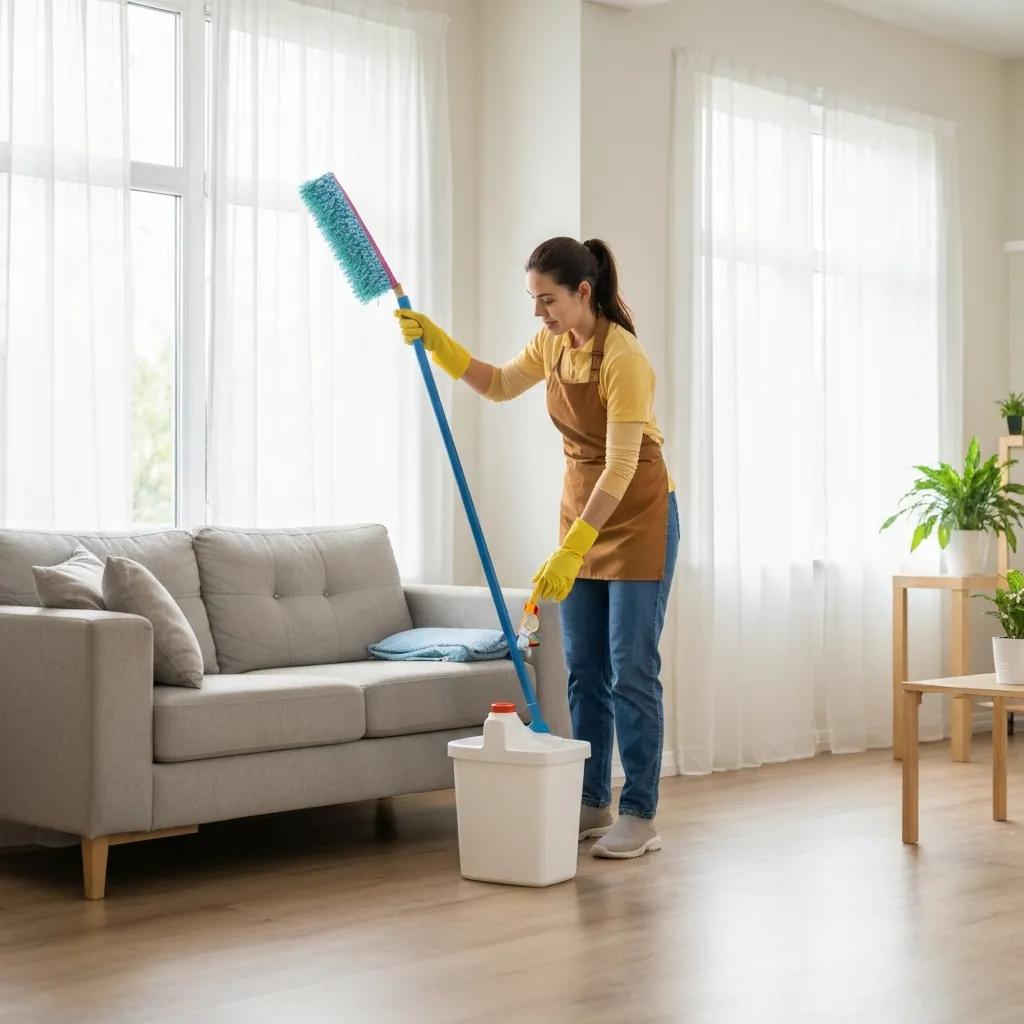
Recurring eco-friendly cleaning gives you a steady maintenance plan — often weekly or bi-weekly — using mild, plant-based products and microfiber routines to protect surfaces and avoid chemical buildup. Each visit follows a personalized checklist you can adjust (vacuum frequency, bathroom sanitation levels, kitchen tasks). Regular visits stop soil from building up, reduce the need for intensive deep cleans, and maintain healthier indoor air using scheduled HEPA vacuuming and dust control. Clear communication and flexible scheduling help the service evolve with your household.
Keeping these routines in place also makes move-in/out cleaning smoother for tenants, landlords, and new owners preparing properties for inspection or occupancy.
Why choose sustainable move-in/out cleaning for your NJ home?
Sustainable move-in/out cleaning gets a home ready for handover or settlement by tackling kitchens, bathrooms, closets, and high-touch surfaces with inspection-focused, non-toxic methods that meet lease or buyer expectations. Eco-friendly move cleaning removes stains, neutralizes odors, and leaves visible sanitization without residues that could affect the next occupants — important for homes with children or pets. Using biodegradable products and documented techniques also streamlines disposal and cuts environmental impact during turnover. A green move clean helps ensure inspection readiness while lowering exposure risks for new occupants.
These service descriptions should help you choose the right eco cleaning; next we cover how local providers build trust and keep quality high when offering green services.
How does Team Alpha Cleaning provide trusted green services locally?
Team Alpha Cleaning builds trust with background-checked cleaners, focused training on sustainable techniques, and local knowledge of Camden and Atlantic County homes and weather-related concerns. Hiring standards include screening and skill checks to ensure technicians use products and equipment correctly. Local experience means teams understand regional issues — like salt exposure in coastal areas — and can adapt green cleaning plans to protect finishes while improving indoor air. Customer satisfaction is supported by post-service checks and a willingness to customize scheduling and tasks.
| Hiring & Training Attribute | What It Covers | Impact on Service |
|---|---|---|
| Background-checked staff | Screening and verification | Greater homeowner confidence |
| Green technique training | Microfiber use, dilution control, HEPA operation | Reliable eco-friendly results |
| Quality assurance checks | Post-service inspection | Measured satisfaction and follow-up |
These operational practices create a dependable foundation for eco-focused residential cleaning homeowners can trust. The following sections dive into vetting details and how customer feedback backs up green claims.
What makes our Camden and Atlantic County cleaners professional and vetted?
Vetting starts with background checks and continues with training modules covering non-toxic product handling, dilution control, and mechanical cleaning methods like microfiber and HEPA vacuuming. Competency checks and periodic retraining keep staff updated on sustainable practices and local care expectations. Supervision and random quality-control inspections add accountability and help sustain consistent standards across recurring and one-time visits. These steps reassure homeowners that their chosen provider will deliver safe, effective green cleaning.
This operational transparency builds trust and shows up in customer feedback that highlights the practical benefits of eco-focused cleaning.
How do customer testimonials reflect our commitment to eco-friendly cleaning?
Customer feedback often highlights improved indoor air quality, product safety for children and pets, and reliable scheduling — all of which back up a provider’s eco claims with real experience. Many homeowners report fewer irritation symptoms and better surface care after switching to sustainable cleaning. While testimonials vary, common themes are improved health, peace of mind, and dependable service. Prospective clients can ask for references or review collected feedback to confirm that claimed green practices deliver real-world results.
Verifying provider practices with documentation and references completes the trust-building process before you book a green clean.
How can you get a free quote for eco-friendly house cleaning in NJ?
Getting a free quote for eco-friendly house cleaning is straightforward. Providers collect basic property details, service preferences, and scheduling needs to create an accurate estimate. A simple step-by-step approach speeds the process and ensures your green priorities — like fragrance-free products or HEPA vacuuming — are understood.
Follow these easy steps to get a tailored green cleaning quote.
- Describe your home and cleaning needs: share approximate size, number of rooms, and trouble areas.
- Note eco preferences: indicate low-VOC, fragrance-free, pet-safe, or allergy-focused requests.
- Choose service type and frequency: pick green deep clean, recurring maintenance, or move-in/out service.
- Confirm scheduling details: provide available dates and any access instructions for accurate planning.
These details help providers produce precise, cost-aware estimates while honoring sustainability choices and scheduling constraints. After you submit information, expect follow-up for confirmation or quick clarifying questions.
- Team Alpha Cleaning — Phone: 856-534-6564.
- Business address: 1104 Saint Mark Drive, Glendora, NJ 08029. (teamsalpha.com)
Use these contact points to discuss green cleaning options, confirm scheduling, and request a free, customized estimate from a vetted local team.
What is the easy process to book your sustainable home cleaning?
Booking a sustainable clean usually follows three simple steps: request a quote, confirm scheduling, and receive the service with a post-clean follow-up. After you provide property details and eco preferences, the provider sends a tailored quote and available appointment times. On the confirmed day, technicians arrive with specified low-VOC products and equipment, complete the agreed checklist, and perform a quick quality check with you or your contact. A post-service follow-up verifies satisfaction and addresses any adjustments for future visits.
Clear expectations at booking reduce surprises and make it easier to keep up consistent, eco-friendly cleaning over time.
Are flexible scheduling options available for green cleaning services?
Yes. Flexible scheduling typically includes weekly, bi-weekly, and one-time options so you can pick a cadence that balances cost, upkeep, and environmental goals. Providers focused on flexibility can handle seasonal deep cleans, event cleanings, and changes to recurring plans without forcing long contracts. This adaptability helps households that need occasional intensive cleaning while keeping greener products and routines for regular visits. Responsive scheduling ensures maintenance happens often enough to prevent soil buildup and declines in indoor air quality.
Flexible options make it realistic for busy families to adopt and stick with eco-friendly cleaning plans that fit their lives.
What are common questions about eco-friendly residential cleaning in NJ?
Homeowners often ask whether green products work for deep cleans and whether eco methods are safe for children and pets. The short, evidence-based answers below set realistic expectations.
Are green cleaning products effective for deep and regular cleaning?
Yes — when used with the right techniques, green products are effective for both deep and regular cleaning. Agitation, proper dwell time, and mechanical removal boost performance. Enzyme cleaners break down organic soils, plant-based degreasers tackle kitchen residues, and correct dilution lets disinfectants meet standards without extra toxins. Combining microfiber with HEPA filtration addresses particles and allergens, making the overall approach robust for maintenance and intensive cleanings. Effectiveness depends on selecting suitable formulations and applying them professionally.
Is eco-friendly cleaning safe for pets and children in your home?
Eco-friendly cleaning focuses on low-VOC, fragrance-free, and biodegradable products to reduce exposure risks for children and pets, lowering the chance of respiratory irritation or accidental ingestion. Safe practices include ventilating during and after cleaning, allowing surfaces to dry before re-entry, and choosing products with clear ingredient lists or recognized safer certifications. Trained technicians use correct dilution and targeted application to minimize unnecessary product use. These precautions create safer living spaces while maintaining effective cleaning results.
This completes our core guidance on eco-friendly residential cleaning, local service options, and practical steps to book a green clean in Camden and Atlantic Counties.
Frequently Asked Questions
What are the key differences between eco-friendly cleaning and traditional cleaning methods?
Eco-friendly cleaning prioritizes non-toxic, biodegradable products and low-impact techniques, while traditional cleaning often relies on stronger chemicals that can release volatile organic compounds (VOCs). The main difference is the health and environmental impact: green methods aim to improve indoor air quality and reduce chemical exposure for people and pets. Eco approaches also emphasize mechanical techniques like microfiber cloths and HEPA filtration to remove dirt and allergens effectively without leaving harmful residues.
How can I ensure the eco-friendly cleaning service I choose is truly sustainable?
Ask about the service’s product list, certifications, and cleaning methods. Look for plant-based, biodegradable products and certifications such as Green Seal or EPA Safer Choice. Ask how staff are trained in eco practices and how the company reduces waste (for example, refillable containers). A reputable provider will be transparent about products and happy to share details.
Are there specific eco-friendly cleaning products that are particularly effective?
Yes. Plant-based multipurpose cleaners, enzyme-based spot treatments, and EPA Safer Choice disinfectants are commonly effective. Enzyme cleaners break down organic stains, plant-based degreasers handle kitchen soils, and certified products offer ingredient transparency. When choosing products, prefer those with clear ingredient lists and low toxicity for safety and performance.
What should I expect during a green deep cleaning service?
Expect a thorough cleaning of high-touch areas, kitchens, and bathrooms using eco-friendly products. Technicians focus on removing entrenched grime with methods like steam cleaning and microfiber scrubbing, applying biodegradable solutions where needed. The result should be visibly clean surfaces that are safer for children and pets and an overall fresher indoor environment.
How often should I schedule eco-friendly cleaning services for optimal results?
Frequency depends on your household. For many families, weekly or bi-weekly visits work best to maintain cleanliness and indoor air quality. Others opt for monthly deep cleans or seasonal intensive cleanings before events. Regular maintenance prevents buildup and keeps your home healthier. Talk with your cleaner to build a schedule that fits your home and lifestyle.
Can eco-friendly cleaning methods help with allergies and asthma?
Yes. Low-VOC products combined with HEPA filtration and microfiber dusting reduce airborne irritants and allergens like dust, pet dander, and mold. For people with sensitivities, regular eco-friendly cleaning can produce measurable improvements in indoor air quality and help reduce respiratory symptoms.
Conclusion
Choosing eco-friendly house cleaning improves indoor air quality and creates a safer space for children and pets. By using non-toxic, biodegradable products and sound techniques, homeowners can cut exposure to harmful chemicals and support local environmental health. If you’re ready to explore sustainable cleaning that fits your priorities, contact Team Alpha Cleaning to discuss tailored eco-friendly solutions for your home.